

























































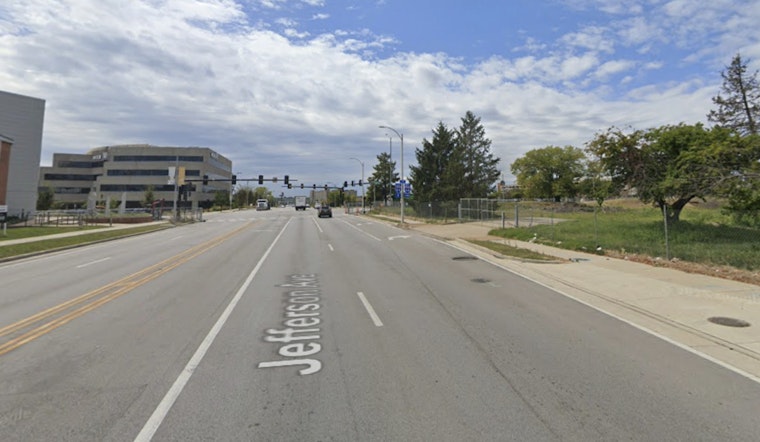
St. Louis is teeing up a new round of neighborhood open houses in early February, giving residents a first real look at a proposed bus rapid transit (BRT) line that would step into the void left by the scrapped MetroLink Green Line. City and transit officials say the sessions, three in-person gatherings plus a virtual meeting, are designed to collect community feedback on possible routes and station locations before the project moves deeper into design. The basic sales pitch is straightforward: a BRT line along Jefferson Avenue that could deliver better transit, faster and for less money than the abandoned light rail plan.
According to the St. Louis Business Journal, the open houses will roll out in early February, with a virtual option for people who cannot or simply will not trek to an evening meeting. Organizers say each session will lay out route alternatives, early station concepts and preliminary cost estimates so residents can weigh tradeoffs. The Business Journal reports that the online format is meant to widen the net, pulling in people who might not show up at a neighborhood event.
Where The BRT Could Run
Citizens For Modern Transit notes that planners are testing options that mostly shadow the Jefferson Avenue alignment once envisioned for the MetroLink Green Line. One scenario essentially traces the old rail concept at about 5.6 miles, while a longer variant stretches roughly 9.8 miles to capture additional neighborhoods. Early estimates suggest the shorter line would directly serve around 32,000 residents, and the extended version would touch tens of thousands more workers and residents along and near the corridor.
Why The City Pivoted
The change of course did not happen on a whim. City leaders pulled the plug last year on the roughly $1.1 billion north-south MetroLink Green Line after concluding the light rail plan was unlikely to win competitive federal New Starts funding and was financially out of reach. As St. Louis Public Radio reported, Mayor Cara Spencer said the city needed a project that “meets our objectives and qualifies for federal funding.”
The Bi-State Development board responded by voting to revise the study to focus on BRT instead, so that much of the environmental and design work already done for the Green Line could still be used, according to Mass Transit. In other words, the homework for the rail line is being recycled for a bus project.
Funding And The Politics
The money question hangs over everything. Back in 2017, voters signed off on a half-cent sales tax that directs 60 percent of its revenue to MetroLink expansion. Now officials are wrestling with whether that pot of cash can, or should, be tapped for BRT instead of rail.
City of St. Louis records list Board Bill 106 as a measure that would send a reauthorization of the tax back to voters on April 7, 2026. As Spectrum News reported, Board President Megan Green has pushed for a public vote that would explicitly allow the money to support BRT, while Mayor Spencer has warned that putting a question on the ballot now would be premature. Lawyers and elected officials will ultimately hash out whether the existing revenue stream can serve as the local match for future federal grants.
What To Expect At The Open Houses
Project staff say the open houses will function as casual, drop-in sessions, with big maps, preliminary renderings and technical staff ready to field detailed questions. Residents can expect information on potential dedicated bus lanes, station designs and whether buses would get their own right of way in parts of the corridor. The outreach is part of an alternatives analysis and preliminary design phase projected to last roughly 12 to 15 months, and planners say much of the engineering and environmental work completed for the Green Line can be leveraged for the BRT effort, according to Mass Transit. Attendees will be able to submit written comments, fill out surveys and sign up for email alerts to track what happens next.
Organizers are directing residents to greenlinebrt.com for meeting materials and virtual registration details, as noted by Spectrum News. The project team says feedback gathered through this round of outreach will influence the final route, how far apart stops are spaced and the eventual timeline for construction and federal funding applications.





