

























































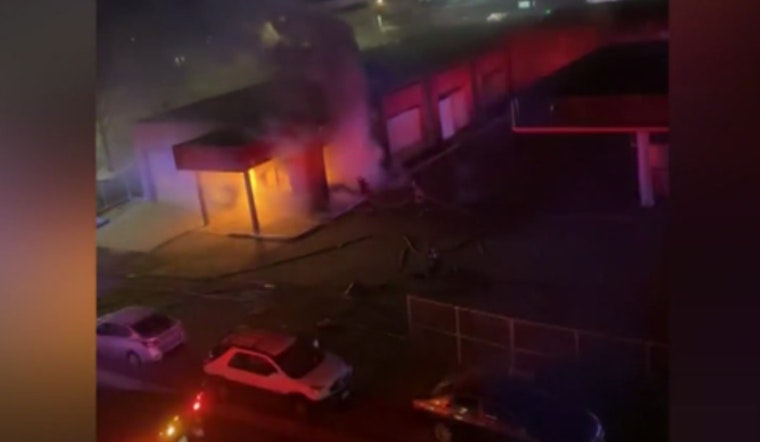
A boarded-up, trash-strewn house on a usually quiet Lakewood block has neighbors worn out and worried about safety. Residents say they have spent years flagging the property to city and county officials, yet the place still sits in visible disrepair while repeat calls for emergency response have become part of neighborhood life. The stalemate has people on the block feeling like they are stuck living next to a problem no one will quite finish dealing with.
As reported by KDVR on Jan. 20, neighbors told reporter Hanna Powers they have been sounding the alarm about the house for “nearly 10 years,” filing multiple complaints with code enforcement and police. Video shared with the station shows boarded windows, scattered trash, and what residents describe as signs of ongoing activity at the site. The KDVR report presents the property as a long-running neighborhood nuisance rather than a one-off code case.
City rules and a new toolkit
Lakewood has rolled out several tools in recent years to deal with problem properties, including a 2024 vacant-property ordinance that requires owners of long-empty commercial buildings to register and pay recurring fees, along with a “distressed properties” program that uses a revolving loan fund for demolition or cleanup, BusinessDen reported. The idea is to push costs onto absentee owners and give the city more leverage when owners refuse to act. Neighbors on this block, however, say they have yet to see those tools translate into a visible fix at the troublesome house.
Why enforcement can stall
Officials and reporters note that simply figuring out who actually controls a problem property is often the first big hurdle. Many vacant or neglected sites are held by out-of-state corporations or trusts, which can be difficult to track down and contact, according to CBS News Colorado. The city’s registry lists roughly 40 vacant or problem properties that need ongoing monitoring, and each incident can generate separate service fees and a stack of administrative work. Residents and officials say that bureaucratic drag slows enforcement and makes quick cleanup or demolition hard to pull off.
Neighbors demand quicker fixes
Neighbors told KDVR they want the city to step in more aggressively by fencing off the lot, clearly posting the structure as condemned, or pursuing demolition if the owner does not respond. They worry the rundown property could become a source of fires or illegal activity. Several residents who spoke on camera said the problem has hung over their block for nearly a decade and urged officials to move past fines and paperwork toward concrete, on-the-ground remediation. A demand for a visible, physical solution runs through their comments.
When officials step in
When situations escalate far enough, county authorities have at times moved to clear people out and lock buildings down. In May 2025, Jefferson County deputies carried out an eviction at 8000 West 10th Avenue after repeated calls and two fires, and the property was posted as uninhabitable while the city weighed cleanup options, Denver7 reported. That case shows officials can act quickly when public safety risks become acute, but neighbors argue that waiting for emergencies only burns more public resources and puts the wider area at risk. The eviction did not immediately lead to criminal charges, and the site remains in a status that blocks re-occupancy while the city pursues remediation steps.
What legal and city options exist
Lakewood’s toolkit includes registration fees, service-response charges, the power to secure properties, and a loan fund that can help cover demolition, although putting those tools to work often requires time, staff capacity, and legal steps before a property is cleaned up or torn down. Those penalties and programs are meant to push repeat emergency costs back onto owners or to nudge them into fixing up buildings, BusinessDen noted. Residents say they plan to keep pressing the city council for faster, more visible action until the house on their block is made safe or removed entirely.
For the people who live nearby, the ask is straightforward: tangible changes on the ground that end the cycle of calls, fires, and fear. The standoff on this Lakewood street highlights a wider regional problem as cities try to hold absentee owners accountable while juggling limited enforcement resources.



