

























































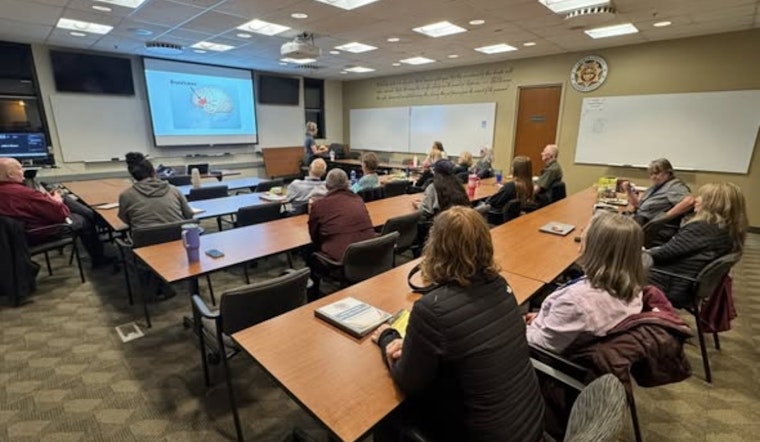
There's a gap between knowing the importance of resilience and understanding how to foster it, especially for those who work under the constant shadow of public safety concerns. The Larimer County Sheriff’s Office provided a rare glimpse into how they attempt to bridge that gap with the assistance of Jennifer Schwartz, the agency's Executive Director and a performance psychologist. In a recent training session, Schwartz enlightened the office's Volunteer Victim Advocates on the interplay between stress, trauma, and the brain.
According to a social media post from the Larimer County Sheriff’s Office, the advocates spent an insightful evening exploring how "our brains interpret the world around us, discussed how past experiences shape perceptions and reactions, and applied nitty-gritty neuro-knowledge to everyday life." Resilience, it seems, is more than a catchphrase in this office; it is an intricate science that stretches beyond the simplicity of a soothing bath. Stress and trauma are not just emotional phenomena; they are physical, and they manifest in ways that require more than platitudes to manage; they need understanding, strategy, and, oftentimes, reprogramming of neural pathways.
The post, published on January 15th, revealed that the training included interactive elements, with participants getting to "play with the brains", presumably referring to brain models or interactive exercises meant to demonstrate the concepts being taught. This innovative approach not only aids in the team’s ability to serve the community but also provides them with practical tools to nurture their own mental well-being.



