

























































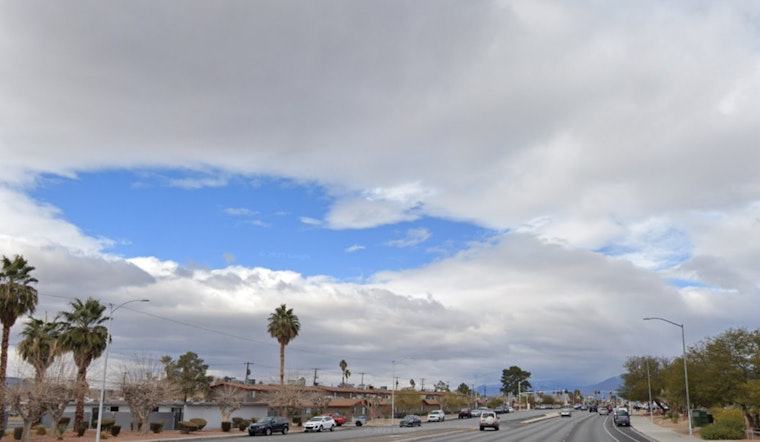
Las Vegans might be looking at a slight change of pace weather-wise, as a weak low-pressure system is making its way towards Southern California. Clouds are expected to increase over the region from today through Saturday, bringing with it the faint possibility of light precipitation, mainly on Friday. This light weather update, showcased in an early morning release from the National Weather Service Las Vegas NV, indicates that while these showers may dampen the streets, significant impacts should be minimal.
According to the NWS forecast, after a week punctuated by slight showers and clouds, a high-pressure ridge is poised to return on Sunday and dominate the weather scene into the next week. As these high-pressure warriors reclaim their turf along the West Coast, expect dry skies and mild conditions to make a steady comeback across the region. While wet streets may accompany the Friday commute, the weather’s intrusion on daily life appears to be brief.
The aviation report for Harry Reid International Airport keeps the good news coming for flyers. VFR conditions are expected to prevail, despite the uptick in mid-level and high clouds, with ceilings set to hover around 12-15kft by the evening. It's a similar story for southern Nevada, northwest Arizona, and southeast California, where typical wind patterns will stand at about 5-10KT, and while gusty winds are anticipated along parts of the Colorado River Valley, they’re expected to be significantly less rowdy than in previous days.
Local spotters remain an integral part of the weather reporting process, and the National Weather Service extends an open invitation to these dedicated individuals to keep the data flowing. "Spotters are encouraged to report any significant weather or impacts according to standard operating procedures," as stated by the National Weather Service.





