

























































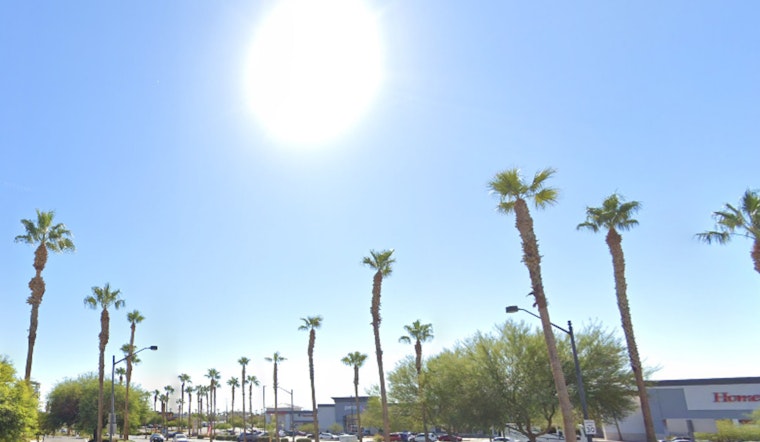
Las Vegas is in for a sunny streak as the National Weather Service predicts a period of dry and warmer conditions extending into the first week of February. According to the latest weather forecast from the National Weather Service Las Vegas NV, Las Vegans can expect temperatures to be a comfortable 5-10 degrees above the seasonal average, with no significant chances of rainfall in sight.
The familiar pattern of high-pressure dominance seems to be the culprit here. The NWS explains that this stubborn system, centered over the Great Basin, will keep things calm and substantially warmer for the coming week. However, as weaker weather systems skirt around the area, the north-south pressure gradient will occasionally enhance, and with it, a spate of gusty north winds along the Colorado River. It's worth noting that today and next Tuesday, winds could pick up somewhat, though the likelihood of these gusts being impactful remains low, hanging around the 25% probability mark.
For travelers and aviation enthusiasts, the forecast calls for generally tranquil skies, with wind patterns following a typical daytime cycle and not exceeding 8 knots. Clear skies will gradually give way to a few high clouds later in the day, but any potential impact on visibility or flight conditions appears minimal.
Over in the Colorado River Valley, spots like KEED and KIFP will experience continued northerly winds, with expected afternoon gusts ranging up to 30-35 knots near KIFP. These conditions will taper off by the evening, but intermittent gusts of 20 to 25 knots may linger into the nighttime. Areas beyond the reach of these winds should hold steady, with non-turbulent conditions and light winds at less than 10 knots. Clusters of mid to high-level clouds are also expected to develop across the region, marking an otherwise clear sky with sparse, innocuous decoration.
The National Weather Service has also called upon the community's weather spotters, urging them to remain vigilant and report any notable weather occurrences or impacts as they continue to watch over the skies of southern Nevada, northwest Arizona, and southeast California.





