

























































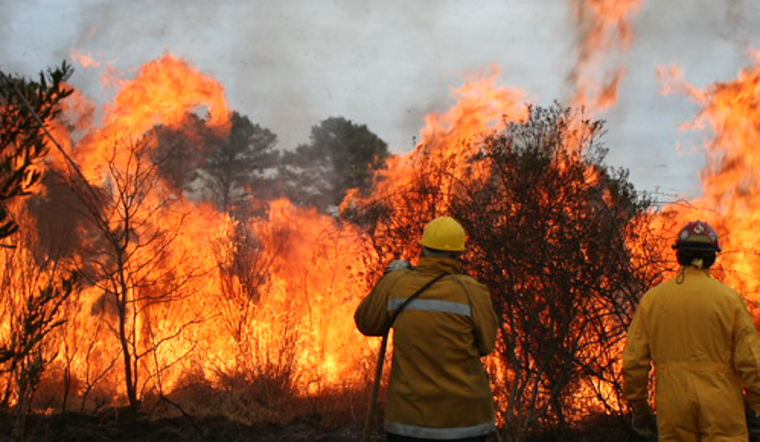
Volunteer fire departments across Maryland are set to receive a substantial financial boost from the Maryland Department of Natural Resources Forest Service, with 55 departments in 17 counties being awarded Volunteer Fire Assistance grants totaling $167,314. These grants, detailed in a recent announcement, are part of a concerted effort to enhance wildland fire protection in the state's rural areas.
The latest round of funding for the year 2025, settled upon last December, will see the Maryland Forest Service providing match funding to support a cumulative project cost of $370,376. This scheme matches up to 50 percent of the costs for eligible projects, with individual departments receiving a maximum grant of $3,500, as per the State of Maryland announcement, the two Maryland applicants that aimed for but did not receive a grant were not mentioned in the announcement.
These funds, provided by the USDA Forest Service, are intended to support a range of activities, including the purchase of necessary firefighting equipment, gear, and training. Grants range from $570 to $3,500, depending on the department's needs and submitted project costs—grants were awarded to departments in Allegany, Baltimore, Calvert, and many other counties, reflecting the widespread need for enhanced rural fire protection.
Among the recipients, for instance, the Barton Hose Company No. 1 in Allegany County received a full grant of $3,500 ($7,913 total project cost), while the Hughesville Volunteer Fire Department and Rescue Squad Inc. in Charles County received one of the smaller grants at $570 ($1,140 total project cost), indicating a disparity in needs and resources across the counties but a uniform response in the face of wildfire dangers; grants were distributed critically to departments based on a firm understanding of their individual needs, resources and the challenges they face in safeguarding their community from the ever-looming threat of rural wildfires.
The full list of departments and their respective funding can be verified through the original state publication.




