

























































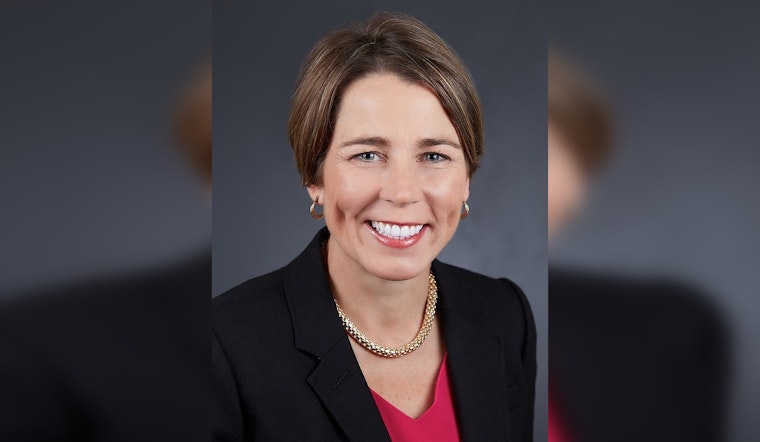
Massachusetts Governor Maura Healey has publicly criticized President Trump for his decision to abruptly cut funding for mental health and substance use disorder programs in the state. These grants, which originally aimed to support a range of services including overdose prevention, addiction treatment, and suicide prevention, have been withdrawn, as confirmed by a notice received by the Department of Public Health (DPH) and Department of Mental Health (DMH) in Massachusetts. The Substance Abuse and Mental Health Services Administration (SAMHSA) indicated that over $5 million in immediate grant funding would be terminated, with a broader impact of potentially tens of millions being eliminated from state and nonprofit agencies, as reported by Mass.gov.
Speaking out against the cuts, Governor Healey stated, "I can't believe Donald Trump is cutting funding for mental health and addiction services. I don’t know a family in America that hasn’t been touched by one or both of these issues," according to an article published on Mass.gov. Expressions of concern were echoed by Health and Human Services Secretary, Kiame Mahaniah, MD, MBA, who emphasized the importance of the affected programs and alluded to the very real possibility that their absence might lead to overdose, addiction relapse, and missed opportunities for coping with trauma.
The SAMHSA grants previously supported various initiatives, including those aimed at early psychosis treatment, prescription drug misuse prevention among older adults, reduction in opioid overdose deaths, and the integration of behavioral and primary care. These initiatives have contributed to a 36.3% decrease in opioid-related overdose deaths in 2024, the lowest Massachusetts has seen since 2013. The loss of this funding could not only reverse these achievements but also lead to wider social and health-related consequences.
Dr. Robbie Goldstein, Public Health Commissioner, stressed the urgent nature of the crisis, stating, "The complete and abrupt nature of the cancellation of these federal grants has an immediate impact on care for people with co-occurring mental health and substance use disorders. These grant initiatives were designed to meet specific identified needs, and it is irresponsible to abruptly terminate funding that supports services and staffing in many parts of the state." In the same vein, Acting Commissioner Beth Lucas of the Department of Mental Health discussed the grave implications these cuts could have, particularly for youth experiencing early psychosis, who are at risk of hospitalization, housing instability, and other disruptions without the necessary interventions these grants have historically provided, according to statements made to Mass.gov. Widespread impact from these cancellations will seemingly extend to local municipalities, community health centers, and organizations that have depended on federal support for substance use and suicide prevention strategies.
Amidst this controversy, state officials and healthcare providers in Massachusetts are scrambling to assess the full implications of these funding cuts and to strategize on how to maintain critical services despite the sudden withdrawal of federal financial support.




