

























































The Healey-Driscoll Administration has set into motion a plan to broaden the horizons for students with disabilities by awarding $3.6 million in grants to various public colleges and universities throughout Massachusetts. These funds are earmarked for Massachusetts Inclusive Postsecondary Education (MAIPSE) programs, designed specifically to integrate students with severe disabilities, including those with intellectual disabilities, severe autism spectrum disorder, and severe developmental disabilities, into the higher education system. The initiative allows students to participate in academic courses and campus life, aiming to augment their knowledge, skills, and workforce readiness, according to the Massachusetts government's website.
This investment follows the April decision by the Board of Higher Education, which unanimously approved regulations establishing MAIPSE, and adheres to the state’s 2023 fiscal year budget stipulations. These new guidelines were a leap toward inclusion, as before 2022, opportunities for such engagement were limited to those between the ages of 18-22. These directives aim to seamlessly integrate students with disabilities to actively and fully engage alongside their nondisabled peers.
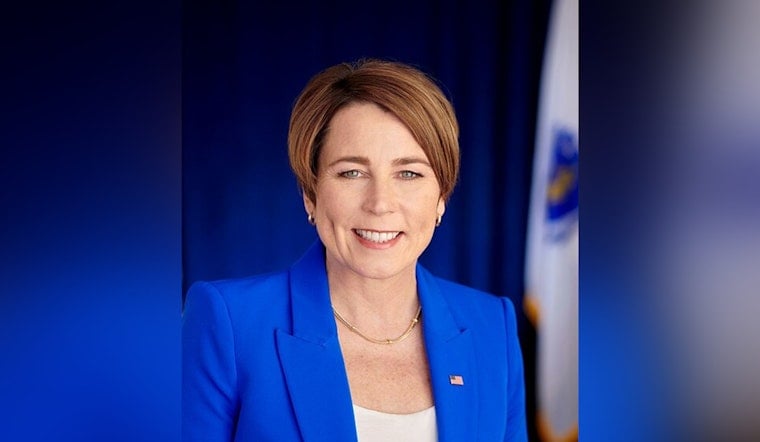
"We’re lifting barriers for students across our public higher education system," Governor Maura Healey explained, stressing the importance of accessible education for all. Institutions like Bunker Hill Community College, Massachusetts Maritime Academy, Mount Wachusett Community College, and the University of Massachusetts – Lowell are set to receive planning grants in order to develop their own MAIPSE programs. On the ground, this translates to increased support for students who have traditionally been underserved in the realm of higher education, driving equity and workforce readiness, as reported by the Massachusetts government's website.
Secretary of Higher Education Patrick Tutwiler emphasized the importance of access to education regardless of ability, stating, “These grants will grow and strengthen inclusive enrollment programs that are crucial to higher education equity.” His remarks were echoed by Commissioner of Higher Education Noe Ortega and Commissioner of the Department of Developmental Services Sarah Peterson, who both praised the administration’s commitment to expanding inclusive educational opportunities. Officials said the coordinated support reflects ongoing efforts among state agencies to improve access to higher education for students with disabilities.
Legislative leaders also expressed support for the funding allocation. Senate President Karen E. Spilka voiced her backing for the program’s focus on empowerment, while House Speaker Ronald J. Mariano highlighted the House’s commitment to inclusive education. Senator Jo Comerford and Representative Dave Rogers also welcomed the initiative, stressing the importance of providing meaningful opportunities on public college campuses. Representative Sean Garballey pointed to Chapter 126 of the Acts of 2022 as a significant step by Massachusetts, noting it as a leading measure in advancing inclusivity in higher education.
On the institutional front, voices like Dr. Linda Thompson, Chair of the Massachusetts State Universities Council of Presidents, and President William Heineman of the Community College Council of Presidents, have strongly asserted the responsibility of public higher education to ensure accessible education for all Commonwealth residents. These leaders, united with their respective campuses and administrative partners, stand ready to create an inclusive future where every student, regardless of physical or intellectual ability, can endeavor to pursue an enriched collegiate experience.





