

























































The City of Memphis Division of Housing and Community Development is taking concrete steps to support local developers and address the city's middle-income housing gap. A new financial initiative, the Memphis Middle-Income Housing Pilot Program (MI-Pilot), aims to aid construction and rehabilitation of infill housing for households with incomes between 80-120% of the Area Median Income (AMI), according to a recent announcement by the City of Memphis.
Additional assistance is being provided via a Pre-Development Assistance Grant program, which helps developers tackle early-stage project costs which often act as barriers. These costs include site work, grading, among other crucial pre-development activities. The MI-Pilot program supports the creation of diverse housing types such as duplexes, townhouses, small multifamily units and single-family infill homes, with the goal of reviving neighborhoods and offering more housing choices in resource-rich urban areas.
Showcasing the potential impact of these programs, BelleMont—a neighborhood-scale development—effectively demonstrates how public investment can transform vacant land and strengthen the communal ties, while also providing rental and homeownership options to middle-income families. The city's initiative is part of a larger strategic plan that includes the Memphis 3.0 Comprehensive Plan and the Memphis and Shelby County Joint Housing Policy Plan.
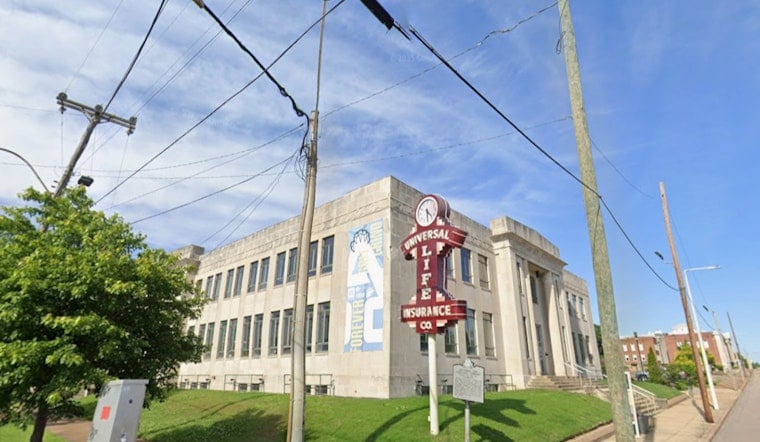
Funds for these initiatives is made available in the form of grants and loans, structured to enhance project feasibility, diversify housing stock, and bolster developers' efforts in local communities. An upcoming workshop scheduled on February 3rd offers developers detailed guidance through the MI-Pilot application process and further elaboration on the Pre-Development Assistance Grant. Set to be held at the Universal Life Building, the event is aimed both for nonprofit and for-profit developers interested in exploring these opportunities. By providing tailored resources, the City of Memphis seeks to alleviate housing cost burdens for middle-income households and to foster improved access to much-needed residences in the city.





