

























































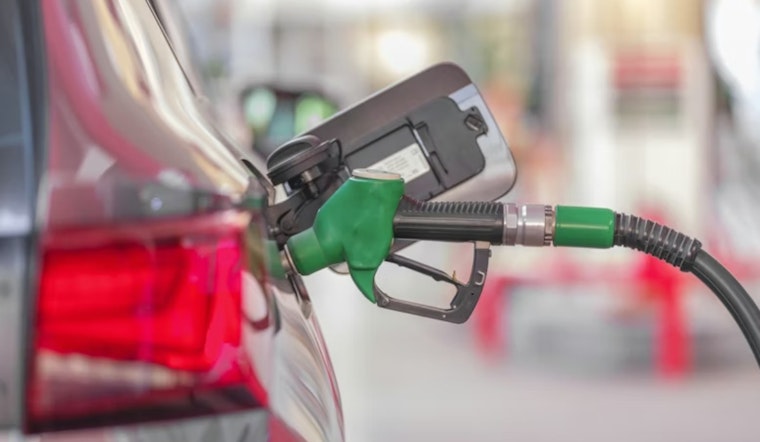
Michigan motorists faced a bump at the gas pump this week, with AAA-The Auto Club reporting an average 11-cent increase in the price of regular unleaded gasoline across the state. The new average stands at $2.81 per gallon, surpassing the national average, which is currently $2.80, as detailed by TV6. Despite the incremental rise, the current prices still reflect a 23-cent decline compared to the same period last year.
The rise occurs after gas prices hit their lowest average since 2021 just the previous week, hinting at a break in the downward trend that many drivers had enjoyed. According to AAA spokesperson Adrienne Woodland, the future of fuel costs will hinge on the balance of supply and demand. "If demand drops, alongside increasing supply, gas prices may decrease," Woodland told TV6. Contrasting fuel costs across the state, the most expensive gas price averages were found in Ann Arbor at $2.91 per gallon, while the least expensive was in Traverse City, coming in at $2.66.
In Metro Detroit, despite the statewide increase, prices actually saw a slight reduction, bucking the broader trend, with an average cost currently pegged at $2.81 per gallon. This is about 4 cents higher than last week, but still 27 cents less than the previous year, as CBS News Detroit reported. On the regional end, disparities continue to be notable, with cities like Metro Detroit often seeing prices above those in other parts of Michigan.
Looking at the broader supply and demand dynamics, AAA cites that gasoline demand has dropped to 8.17 million barrels per day, while the total domestic gasoline supply has increased. These fluctuations are coupled with a decrease in gasoline production, down to an average of 9.0 million barrels per day. Additionally, crude oil inventories have diminished, with the EIA reporting a decrease of 3.8 million barrels from the prior week, with current levels about 3% below the five-year average for this time of year, as stated in the report by TV6.
As the year came to a close, holiday travel invariably impacted fuel consumption, with nearly 4 million Michiganders traveling during the festive period, 3.5 million of whom took to the roads. This surge in travel likely placed upward pressure on gasoline demand, although it didn't culminate in a sharp statewide price spike. Instead, the increase was a relatively mild three cents per gallon week over week, as observed by Metro Times.



