

























































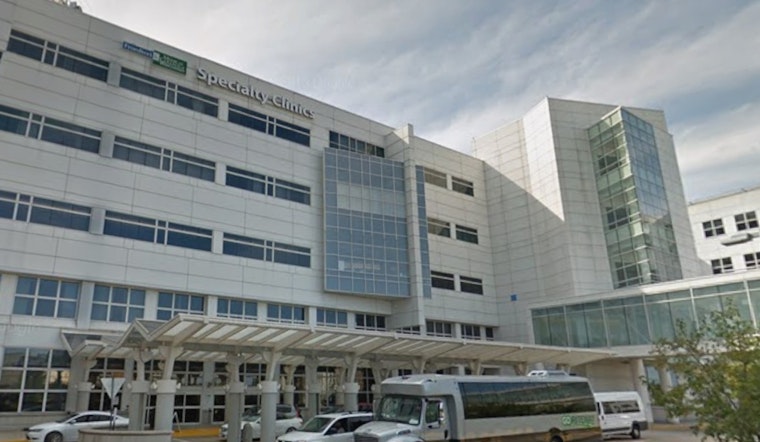
A Milwaukee transgender teen who began hormone therapy at 15 says he narrowly avoided a forced break in treatment after his clinic suddenly halted gender-affirming care for minors. When two major Wisconsin health systems moved to stop prescribing puberty blockers and cross‑sex hormones to patients under 18, the teen and his family rushed to find a backup plan, a scramble that shows how federal moves in Washington are already shaking up exam rooms in Milwaukee.
Ambrose Bankes, 16, told TMJ4 he started hormone replacement therapy at Froedtert’s Inclusion Clinic in January 2025 and was “terrified” when the clinic stopped handling his follow-up care. Bankes said he worried about losing the progress he had made before eventually transferring his prescriptions to Dr. Anna Mirer, a private-practice family physician. Mirer told the station that forcing young people to de-transition without medical supervision is “wrong.”
Hospitals cite federal regulatory risk
Last week, two of the state's largest systems, Children’s Wisconsin and UW Health, notified patients they would no longer provide gender-affirming pharmacologic care for anyone under 18, citing “escalating legal and federal regulatory risk,” according to Spectrum News 1. Both health systems said they would continue to offer mental and behavioral health support while they review services. Hospital leaders tied their decisions to recent federal actions that they say created uncertainty around participation in Medicare and Medicaid programs.
Families scramble to find new providers
For families already in care, those announcements translated into frantic calls and appointment requests. Local parents told WMTV that sudden pauses in prescriptions can be disruptive and, in some cases, harmful to a young person’s mental health. While some independent clinics and pharmacies say they are still able to dispense medications, advocates warn that access will be uneven, particularly for teens whose coverage depends on Medicaid.
Private clinics fill gaps left by systems
Some private physicians say they can keep prescribing because their practices do not rely on reimbursements from federal programs. Dr. Anna Mirer operates a direct-primary-care clinic that, according to the practice’s website, includes gender-affirming hormone therapy among its services. That model has allowed patients who can move into private care to stay on treatment, though it leaves out many families who rely on large hospital networks or public insurance.
Federal declaration and political pushback
On Dec. 18 the Department of Health and Human Services issued a declaration and proposed rules describing puberty blockers, cross‑sex hormones and certain surgeries as “sex-rejecting procedures,” warning that hospitals performing them could risk exclusion from federal programs, according to HHS. The declaration has triggered lawsuits from multiple states and sparked criticism from members of Congress. Rep. Mark Pocan has urged Wisconsin hospital systems to resume gender-affirming care while the legal fight plays out, arguing that hospitals currently face no clear legal mandate to stop.
Legal implications
The Centers for Medicare & Medicaid Services outlined related rule language in the Federal Register as part of broader regulatory changes that could reshape hospital conditions of participation. Legal observers note that multiple states have already moved to challenge the declaration and proposed rules in court, according to legal trackers, leaving the eventual outcome uncertain. Until judges weigh in or rulemaking wraps up, hospitals appear to be taking a cautious route that is already altering how Wisconsin youth can access care.
For now, teens like Bankes who are able to shift into private care have been able to continue medications, while many other families are confronting a tougher maze of insurance limits and provider shortages. With a patchwork response across the state and court challenges still unfolding, access to care is likely to look very different from one Wisconsin community to the next in the weeks and months ahead.





