

























































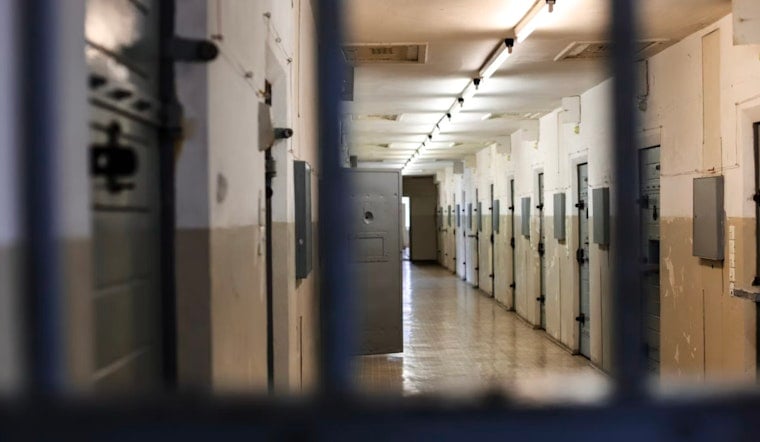
A Glendale woman says the protection order meant to keep her safe is about to collide with a prison-release date — and a legal case that may not be heard for more than a week. Paula Palmese says her husband, Richard, is scheduled to leave prison next Tuesday after allegedly sending her letters despite a court-ordered no-contact order.
According to TMJ4 News, Richard Palmese is incarcerated on strangulation and suffocation charges. Palmese told the station she received letters on Dec. 11 and Dec. 18, reported them to police, and later saw new charges filed over the alleged violations; TMJ4 reported that the sentence tied to his current incarceration ends before the new cases are scheduled for sentencing.
A March 2 order from the Wisconsin Supreme Court identifies two Milwaukee County proceedings under State v. Palmese. The order does not decide the underlying allegations, but it confirms that the dispute has produced criminal-court filings beyond the original case.
Why A Release Date Can Feel Like A Countdown
Palmese told TMJ4 News that she quit her job and has been living in hiding, and that she fears her husband will kill her and her son. The station also interviewed Shawn Muhammad, a director at Asha Family Services, who said an alleged no-contact violation while someone is incarcerated can sharply raise risk concerns and advised survivors to stay somewhere the person cannot easily locate.
The concern fits recommendations in a Wisconsin DOJ research brief, which says systems handling intimate-partner-violence cases should consult survivors about conditions that directly affect them, including no-contact orders. The brief also recommends continually reviewing whether release conditions still match the risks in a particular case.
Wisconsin Rules Put Enforcement In Focus
Wisconsin DOJ guidance instructs law enforcement that an arrest is mandatory when officers have probable cause to believe a 72-hour no-contact order, temporary restraining order, or injunction has been violated. The exact legal response in Palmese’s case depends on the type of order and the pending charges, so the general guidance is not a ruling on his allegations.
Elsewhere in Wisconsin, Rock County adopted a county-level rule in January extending domestic-violence no-contact protections until an offender’s first court appearance. A WMTV report said advocates pushed for the change after warning that the traditional 72-hour window could leave survivors without protection for weeks.
The statewide backdrop is grim. The updated End Domestic Abuse Wisconsin report counted 99 domestic-violence-related deaths and 110 domestic and family violence deaths overall in 2024, which the coalition described as the highest total since its tracking began.
Safety Resources For Milwaukee Survivors
Asha Family Services lists a Milwaukee crisis line at 414-252-0075 for people seeking domestic-violence support, safety planning, or a safe place to stay. The Safe at Home program operated by the Wisconsin Department of Justice offers eligible survivors a substitute address and mail forwarding to help keep their actual location confidential; anyone facing immediate danger should call 911.





