

























































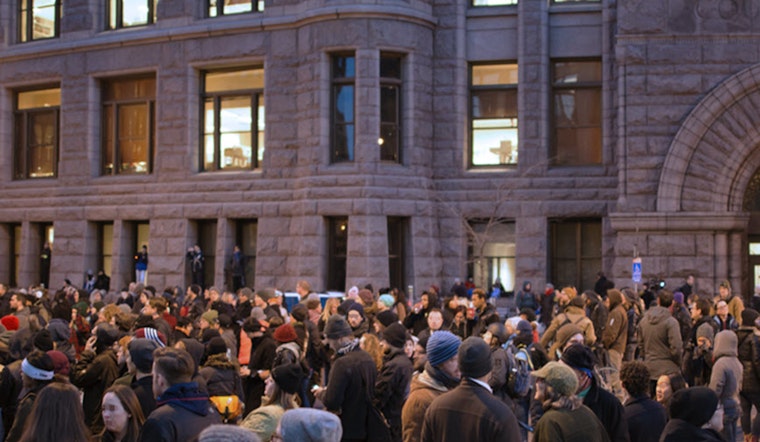
The City of Minneapolis has reinforced its commitment to upholding the constitutional rights of public expression and peaceful assembly, emphasizing the critical role these principles play within the fabric of democracy. In a recent declaration on social media, the city government recognized these fundamental rights as cornerstones for civic engagement and public discourse, while also acknowledging the necessity for maintaining safety within the community as voices are projected and heard.
The statement, released on the City of Minneapolis Government's official Facebook page, stresses the delicate balance between facilitating free speech and ensuring the well-being of individuals assembled; it is a balance between celebration of democracy and practical vigilance against potential threats or disruptions to peace. The city's message, succinct yet profound, was brief, but in it read an unwavering pledge: "We recognize the public's constitutional rights of free expression and peaceful assembly. It's importance to our democracy. ."
This proclamation comes at a time when cities across the nation are grappling with the complexities of managing public gatherings that have, in recent years, sparked contentious debates over the measures law enforcement takes to maintain order. Minneapolis, having been at the epicenter of high-profile protests in the past, is particularly cognizant of the weight these responsibilities hold. It's a city that has seen firsthand the catalytic power of civic movements and the pressure they can exert on social and political infrastructures.
To learn more about the city's policies and initiatives in support of these constitutional rights, individuals are encouraged to follow the link provided in the social media post for further details. As it stands, Minneapolis signifies, through its proactive approach, a blueprint for other municipalities navigating the complexities of fostering expressive freedoms while ensuring the safeguarding and respect of all community members. It's a commitment that resonates beyond its streets, echoing in the broader national conversation about civil liberties in our contemporary moment.





