

























































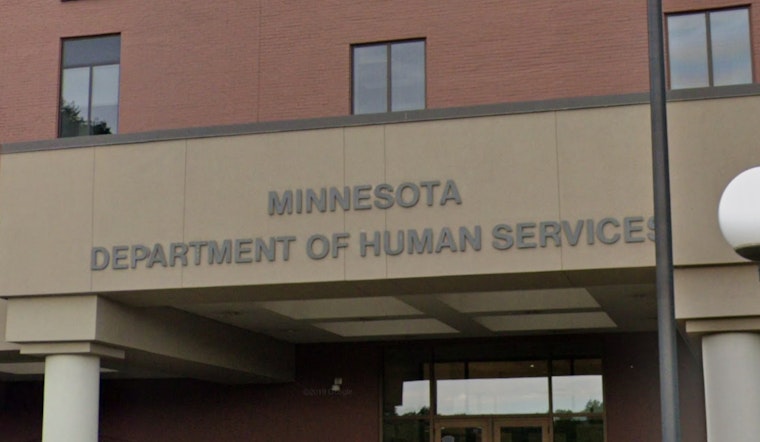
In its latest communication, the Aging and Adult Services Division (AASD) and Disability Services Division (DSD) have delivered a roundup of notable updates and forthcoming events that impact a wide range of Minnesotans. Top among these updates is the announcement of a newly mandated review process for disability waiver service agreements—which, according to Minnesota Department of Human Services recent announcement, stems from legislation passed by the 2025 Minnesota Legislature.
For the EIDBI provider agencies, there's a breath of fresh air as the Department of Human Services (DHS) has now availed the provisional licensing application on the DHS Provider Hub. Addressed to the agencies that navigate the realms of Early Intensive Developmental and Behavioral Intervention, interested parties are encouraged to apply, as reportedly stated by DHS.
The dispatch from AASD/DSD also highlights training opportunities, specifically the Project ECHO series. Offered in collaboration with the University of Minnesota ICI and DHS, these sessions—spanning dates like Feb. 10 and March 17—aim to provide support for professionals dealing with individuals having intellectual and developmental disabilities. Registration remains open for this initiative of targeted, individualized, and intensive positive supports, as mentioned in the bulletin.
Additionally, the divisions are drawing attention to a webinar focused on the Elderly Waiver (EW) Hospital High-Needs Budget Exception. Slated for Jan. 29, 2026, stakeholders, including counties and tribal nations, will discover the intricacies of requesting exceptions using a new form—a critical piece of information for lead agencies in managing high-needs cases, the DHS described in their webinar announcement.
Beyond these headlines, the AASD/DSD aims to keep their audience abreast of changes and initiatives in a timely manner, having sent out a special notice last week about updated disability waiver amendment approval and implementation timelines. As comprehensive as the weekly updates are, it's evident the divisions are committed to keeping the lines of communication open and the information flowing, to support the vitality of Minnesota's aging and disabled communities.



