

























































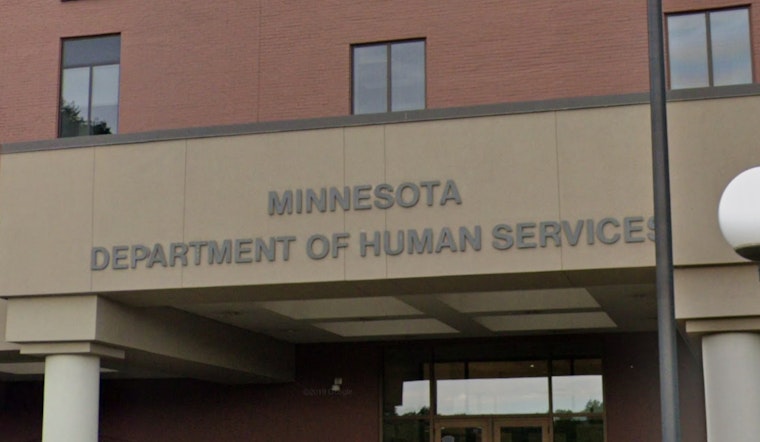
With a refreshed memo rolling out in Minnesota, local county agencies find themselves with a clarified mandate when it comes to the kids of American Indian heritage under Tribal court jurisdiction. The Department of Children, Youth, and Families (DCYF) has taken the baton from DHS to lay down the law—sorta speak—on how these agencies should proceed with their duties, especially on the financial end. Rebecca St. George, Assistant Commissioner of DCYF, signed off on this update stating, "there have been no substantive changes in this bulletin except for minor editorial changes."
The gist here is that the Indian Child Welfare Act of 1978 isn't just an old piece of legislation—its legacy and intent remain alive and well, insisting that the rights of Tribes to run their own child custody shows should be respected. But along with rights come responsibilities, and in Minnesota, county agencies are still holding the bag when it comes to footing the bill for social services, just as they do with any other children in their jurisdiction. This includes foster care payments for kids placed in homes licensed by the state or the Tribe—a requirement under both state and federally recognized law—even when a Tribal court's in the driver’s seat.
Now, when a Tribal court calls for the placement of a child, they've got to give the local agency a heads up and a chance to speak their piece. "Where the tribal court orders placement through a local social services agency, the court shall provide to the local agency notice and opportunity to be heard regarding the placement," insists the guidance from the DCYF. And it's not just about the placement; county agencies are also required to lay on the services a Tribal court orders, maintaining eligibility and continuing to serve the spiritual, emotional, mental, and physical welfare of the American Indian children.
Where things get a bit bureaucratic—read: complicated—is in figuring out who foots the bill when counties span across different reservation lands. The idea here is that whichever county first touches base with the child needs to provide and pay for services right out of the gate. They can later bill the home county of the child, if different, all thanks to the Minnesota Unitary Residence and Financial Responsibility Act. But let's be clear, friendships between county agencies and Tribes are key here; open lines of communication may help dodge any curveballs thrown by muddy understandings about financial responsibility.
It's not the sexiest of topics, but it's a necessary one to keep the machine running smoothly for the children who fall under the jurisdictions of both county agencies and Tribal courts. As the DCYF bulletin indicates, our collective focus, after all the administrative dust settles, should still be fixed on the welfare of the kids in question—the rightful heirs to services aimed at preserving their family ties and honoring their cultural heritage. More guidance and information can be accessed through the contact, Cindi Miller, American Indian Wellbeing Unit Staff Attorney, at [email protected], as stated in the recently published bulletin on the agency's website.



