

























































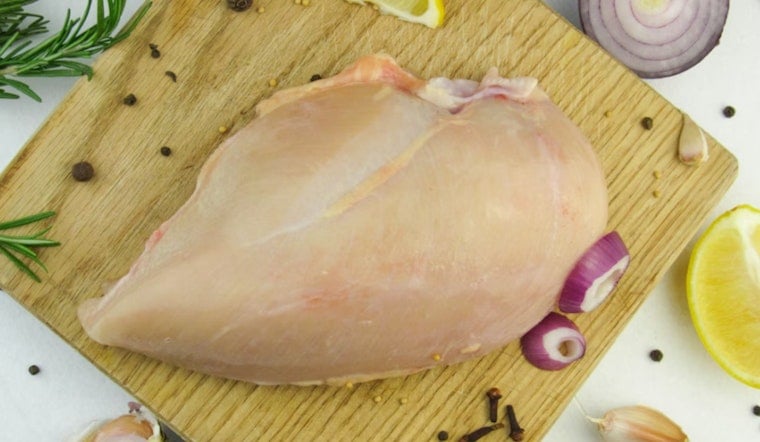
Customers in seven states are advised to check their freezers and potentially toss out chicken products after a recall linked to listeria concerns. Suzanna's Kitchen, a food company based in Norcross, Georgia, initiated a recall of about 13,720 pounds of its ready-to-eat grilled chicken breast fillet products. The problematic chicken was discovered by a third-party laboratory that reported a positive result for Listeria monocytogenes, an organism which can cause serious and sometimes fatal infections, particularly in young children, frail or elderly people, and others with weakened immune systems, as reported by CBS News.
The Food Safety and Inspection Service, a branch of the Department of Agriculture, informed the public that the recalled products were produced on October 14, 2025, and distributed to Alabama, Florida, Georgia, Missouri, New Hampshire, North Carolina, and Ohio. Detailed packaging information indicates that 10-pound cases, which contain two five-pound bags of the cooked chicken fillets with rib meat, are affected. Consumers should look for an establishment number of P-1382 inside the USDA mark of inspection and a lot code of 60104 P1382 287 5 J14, according to WMUR.
So far, officials have not confirmed any reports of illness related to the recent recall, but the danger posed by listeria is gravely serious. The U.S. Centers for Disease Control and Prevention estimates each year, 1,250 people get listeriosis, and 172 die from the disease. Those infected by the strain of harmful bacteria can suffer symptoms ranging from high fever, severe headache, stiffness, nausea, abdominal pain, and diarrhea. Listeria infection can also cause miscarriages and stillbirths among pregnant women.
For concerned consumers, the USDA Meat and Poultry Hotline can be reached at 888-674-6854 or emailed at [email protected] for any food safety questions. Moreover, health officials have encouraged anyone worried about have eaten the recalled products to consult with a healthcare provider, especially if they are experiencing flu-like symptoms within two months after consuming Listeria-susceptible foods, as stated by CBS News.





