

























































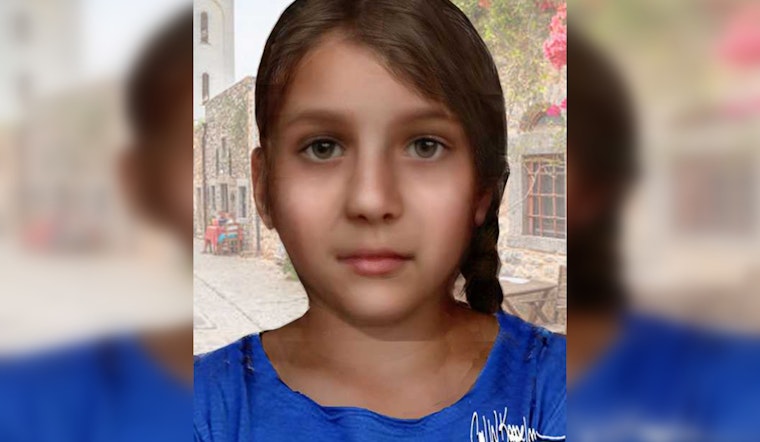
The quest to solve a decades-old mystery involving the discovery of a young girl's skull in Seabrook, New Hampshire, has taken on renewed vigor with the involvement of the DNA Doe Project. According to Boston 25 News, the skull, found at a local business in 1994, has been identified as belonging to a girl of Greek heritage, with links to the island of Chios. The owner of the business where the skull was found had reportedly purchased it in New York city, yet no record of its origins or how it came to the United States has been established.
The investigation, spearheaded by the DNA Doe Project, is now honing in on the potential identification of "Little Lost Seabrook Doe" through the use of genetic genealogy. As mentioned by WMUR, the DNA analysis has not only revealed the child's likely heritage but has also provided investigators with a list of surnames connected to her family tree.
Gwen Knapp of the DNA Doe Project, in a statement obtained by WMUR, emphasized the importance of the public's help: "We build trees, and we build family trees back, and then we build them forward to see where we can place that person, our Jane or John Doe on that family tree," and "One person could be that key." The anthropological analysis posits that the girl was between 7 and 9 years old at the time of her death, which occurred 2 to 10 years before the skull's discovery.
Authorities and the DNA Doe Project are urging individuals with ancestry from Chios or who have taken consumer DNA tests to upload their results to databases such as GEDmatch, DNA Justice, and FamilyTreeDNA. The possibility remains that the child lived and died in Greece prior to her remains making its way stateside, but there is also a possibility of her being raised in the U.S. within a Greek family. The identification of even distant relatives can offer vital clues to solve this cold case.
In pursuit of a breakthrough, artists have worked with the DNA Doe Project to create a facial reconstruction offering a tangible, human representation of the girl. Despite the skull being subjected to extended exposure to the elements before being cleaned and displayed, hopeful investigators and engaged citizens alike await one vital DNA match that could finally grant a name to "Little Lost Seabrook Doe."





