

























































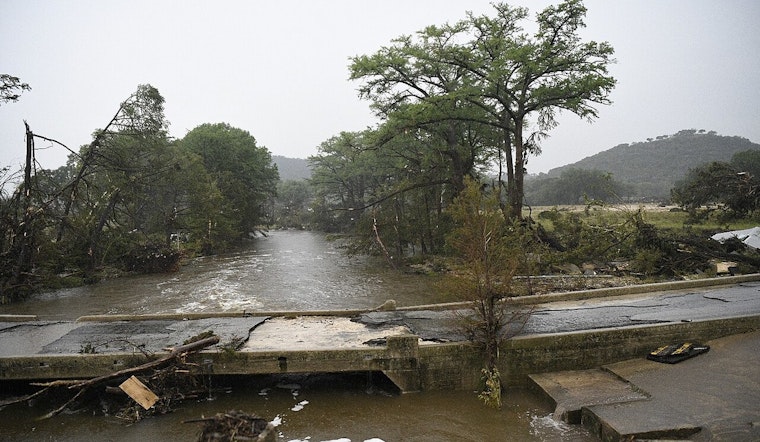
In Sandy Creek, anger over last summer’s deadly Hill Country floods has hardened into a plan. Residents who say the federal response failed them are now organizing to push for concrete fixes at FEMA, and they intend to do it face to face with the nation’s top homeland security officials.
Neighbors whose homes were ripped from their foundations and whose only bridge was knocked out say they will publicly challenge the Department of Homeland Security’s disaster playbook and demand that top leaders own the failures. For families still rebuilding, the local fight has become a test of national policy.
Survivors plan to call out DHS leadership
According to local TV coverage, Sandy Creek residents are preparing to directly call out Homeland Security Secretary Kristi Noem and press for changes to how FEMA handles disasters in unincorporated communities. As reported by KVUE, organizers say they plan to use any public appearance by senior DHS officials to demand faster deployments, clearer communication, and guaranteed survivor support when the next storm hits.
Residents say rescue and relief were slow
Big Sandy Creek surged overnight on July 4-5, 2025, washing away houses, destroying the neighborhood’s only bridge, and cutting off families, according to reporting from The Texas Tribune. Survivors who later testified at a joint legislative hearing in Kerrville described waiting more than a day for official help and having to organize their own rescues and supply runs. One resident summed up the feeling in three repeated words: “Nobody came, nobody came, nobody came for us,” as documented by KRGV.
National reporting points to administrative delays
At the federal level, national outlets later found that FEMA struggled to manage a surge of survivor calls after funding for key contractors lapsed, which left thousands of calls unanswered until contracts were restored. The New York Times reviewed internal logs and documents that tracked the drop in answered calls. CNN reported that a new DHS approval rule, which required sign-off for contracts over $100,000, complicated and may have slowed the pre-positioning and deployment of Urban Search and Rescue teams during the crisis.
What survivors are demanding
Residents and advocates in Sandy Creek have laid out a short list of changes they argue would prevent a repeat of last summer: guaranteed continuity of disaster call-center funding, pre-authorized thresholds for urgent operational spending, clearer chains of command for rapid deployment, and more localized warning systems that can reach communities like theirs.
Those demands have already surfaced in legislative and oversight settings, including a congressional briefing and hearings on emergency management where lawmakers pressed FEMA officials to explain the lapses and sketch out potential reforms. The exchanges are reflected in the official hearing record on Congress.gov.
The next step: a public reckoning
Organizers say they plan to show up at events and briefings where DHS officials are present, pushing for direct answers and urging elected leaders to translate survivor demands into binding policy. Local reporting indicates the community intends to remain visible whenever federal officials meet with Hill Country leaders and to keep arguing for quicker, pre-authorized lines of assistance as recovery drags on. KUT and others note that the neighborhood is still in active recovery months after the water receded.
For Sandy Creek residents, the push is both practical and symbolic. They argue that fixing FEMA’s rules could mean the difference between agonizing waits and lifesaving aid the next time floodwaters rise. Survivors who testified in Kerrville urged elected officials and federal agencies to make sure the shock of July 2025 is translated into permanent, enforceable changes in how disaster aid is managed and delivered.


