

























































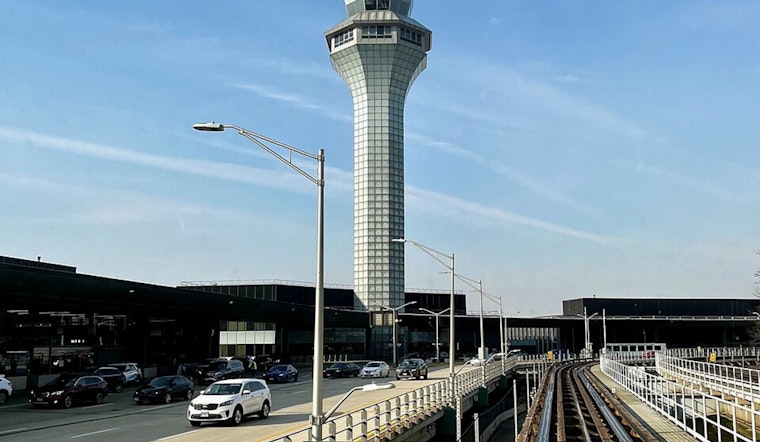
Chicago’s Friday morning commute hit some unexpected turbulence when a fast, slick burst of snow forced a Federal Aviation Administration ground stop at O’Hare, briefly halting inbound flights just as travelers were trying to get in and out of town. Most of the metro area only saw a light dusting, but narrow, more intense bands nudged totals toward an inch in a few spots. A strong cold front is expected to plow through later Friday, setting up a bitter weekend with highs stuck in the teens and wind chills slipping below zero.
The FAA listed the ground stop at O’Hare through 8 a.m., according to CBS Chicago. The National Weather Service’s Chicago office has repeatedly cautioned that even brief snow squalls can sharply cut visibility and cause rapid accumulations; its event summary logged roughly 1.2 inches at O’Hare during a recent squall, underscoring why controllers sometimes hold arrivals when conditions suddenly deteriorate as per NWS Chicago.
Flight delays and the morning commute
Flight-tracking services and local outlets showed the ripple effects as inbound traffic was held and connections stacked up across the terminals. As shown on FlightAware, multiple flights were delayed or cancelled, while local reporting documented slick roads and dozens of weather-related incidents during the rush hour, according tothe Chicago Sun-Times.
Bitter cold follows the snow
Forecasters warned that Friday’s quick-hit snow is just the opening act for the real problem: much colder air. Highs this weekend are expected to stay in the teens, with wind chills plunging below zero, according to CBS Chicago. City and state crews typically treat main arterials and airport access routes early for events like this, and officials urged patience and extra time for travel as temperatures fall.
If you have a flight today, check your airline’s app and the airport status tools before you leave; expect cascading delays and build in extra time for connections. This story will be updated as the FAA and local agencies post more status information and as conditions evolve.





