

























































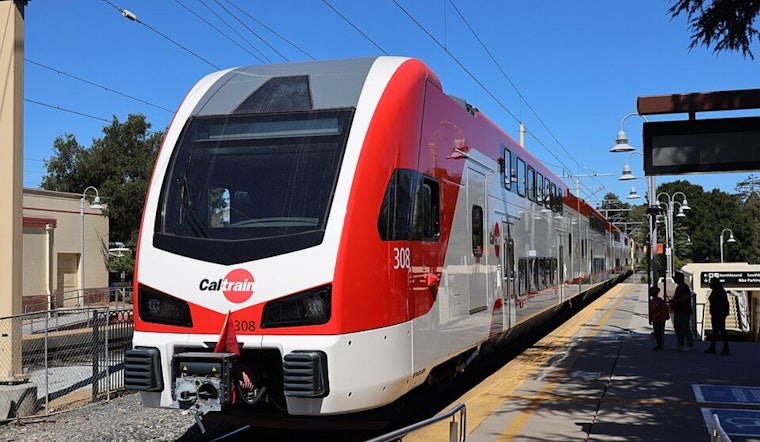
Clipboards, petitions and a sense of urgency hit downtown Oakland this week as volunteers fanned out for the Connect Bay Area campaign, a multi-county transit funding push that backers say could keep BART, Muni, Caltrain and local bus service rolling. The goal is to qualify a citizen-sponsored version of the measure for the November ballot by gathering signatures across five Bay Area counties. The kickoff brought out elected officials, transit advocates and neighborhood volunteers who spent the morning signing petitions and coaxing passersby to do the same.
Mayor Barbara Lee and other local officials used events this week to spell out what is at stake for riders, while organizers said many residents barely hesitated before adding their names at the launch. Coverage of the regionwide kickoff highlighted rallies and petition tables popping up in multiple cities, according to SFGATE.
Campaign raises cash, races to collect signatures
The Connect Bay Area committee reports it has nearly $3 million in the bank to pay for outreach as both paid and volunteer signature gathering ramps up. To make the November ballot, organizers must collect roughly 186,000 valid signatures from registered voters in Alameda, Contra Costa, San Francisco, San Mateo and Santa Clara counties by June 6, according to Streetsblog SF.
What the law authorizes
State lawmakers cleared the way last year with SB 63, which authorizes a five-county measure. The Metropolitan Transportation Commission says the proposed plan would run for 14 years and is projected to raise about $980 million annually if voters sign off. The law also builds in accountability rules, including requirements for independent financial reviews of transit agencies that receive money, according to MTC.
How deep cuts could be
Campaign materials and transit advocates are not sugarcoating what they say could happen without new revenue. Scenarios include potential BART line reductions, AC Transit cuts of up to 37 percent and steep rollbacks to Caltrain service on both weekdays and weekends. Local organizers said Oakland residents at the kickoff were quick to sign, arguing that those kinds of cuts would land hardest on people who rely on buses and trains every day, as described by Oaklandside.
Who’s backing the drive
The coalition behind the signature push blends labor, business and advocacy groups. Early supporters and funders named by the campaign include SEIU 1021, ATU Local 1555 and several AFSCME locals, alongside corporate and philanthropic donors. Local coverage of the fundraising announcement and coalition has detailed those early commitments and the priorities organizers say are driving the effort, according to the Contra Costa Herald.
Where the signatures must come from
Organizers say they will concentrate both volunteer and paid signature gatherers across the five counties named in SB 63 - Alameda, Contra Costa, San Francisco, San Mateo and Santa Clara. The strategy mixes door-to-door canvassing with street and event-based outreach to hit county-level targets. Trade coverage notes that the campaign must lock in more than 186,000 signatures by the June deadline to secure a spot on the November ballot, according to Mass Transit.
Next steps and what to watch
Through the spring, volunteers are expected to keep chasing signatures while the campaign continues raising money and broadening its outreach. Backers say pursuing a citizen-initiated path could allow the measure to pass with a simple majority, instead of the two-thirds threshold that typically applies when agencies themselves place a tax on the ballot. Local outlets and campaign materials are listing upcoming events and volunteer sign-up opportunities across the region, according to SFGATE.





