

























































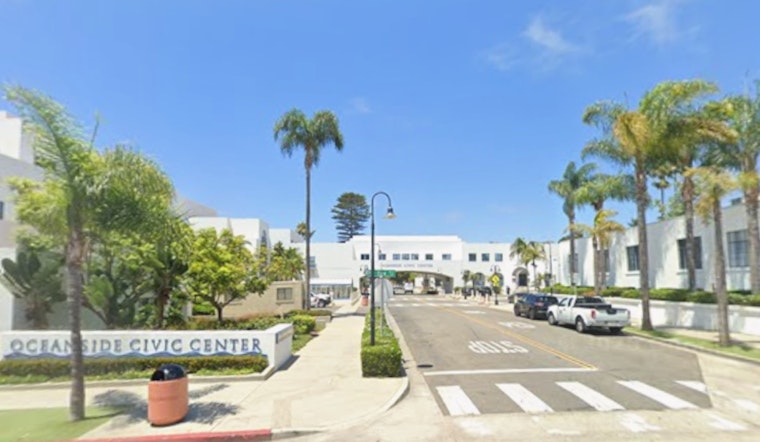
Oceanside just slammed the brakes on a controversial 83-home subdivision next to Guajome Regional Park, overturning its approval and declaring the project's environmental review not up to snuff. The move freezes the tentative map and sends the developer back to the drawing board on traffic, wildlife and public-safety issues. Neighbors who appealed the Planning Commission's earlier green light are calling the reversal a big win for the park's fragile habitat.
The council formally found the final Environmental Impact Report inadequate on public-safety, land-use and wildlife grounds, according to the San Diego Union‑Tribune. Council members said the EIR did not fully grapple with evacuation routes or habitat impacts, concerns that helped fuel the appeal hearing that ultimately flipped the approval.
Project filings in the state's CEQA database describe the Guajome Lake Homes plan as a subdivision of about 16.78 acres, with roughly 9.86 acres developed into 83 single-family lots and about 6.92 acres preserved as permanent open space, according to CEQAnet. Four of the homes are reserved for very-low-income households. Access would come from Guajome Lake Road and Albright Street, tied together by a private internal loop road wrapped around a central recreation area.
The Planning Commission signed off on the project in October after reversing an earlier denial, a whiplash-inducing sequence that helped ignite neighborhood pushback over wildlife impacts, smaller lot sizes and the erosion of the area's equestrian character, as reported by The Coast News. Local groups and residents launched petitions and packed public meetings, questioning the EIR's conclusions and whether the subdivision really fit with surrounding uses.
Councilmember Jimmy Figueroa and others also zeroed in on a public-safety and budget headache: roughly 800 feet of Guajome Lake Road would remain unimproved unless the city came up with about $1.1 million to finish the paving, raising alarms about evacuation routes and cut-through traffic, per the San Diego Union‑Tribune. Rincon Homes told the council it would improve about 1,200 feet of the road, add curbs and gutters, avoid the most sensitive riparian areas and leave the adjacent regional park boundaries unchanged.
Next steps and legal context
Now that the EIR has been deemed inadequate, city staff can require the developer to revise or recirculate parts of the environmental review before any new approval is considered. State guidance says an EIR must be recirculated if it contains "significant new information" that deprives the public of a meaningful chance to comment, according to Caltrans' summary of the CEQA Guidelines. At the same time, California's Housing Accountability Act and Density Bonus Law can limit how far cities can go in blocking projects that meet objective standards and include affordable homes, as outlined by the California Department of Housing and Community Development.
Rincon Homes can try again with a revised EIR and a tweaked application, or pursue other administrative or legal avenues. Project opponents say they are not backing off either. Community organizers behind the appeal, including GuardGuajome, argue the council's vote validates months of neighborhood organizing and signals that any comeback attempt by the project will face far tougher scrutiny.




