

























































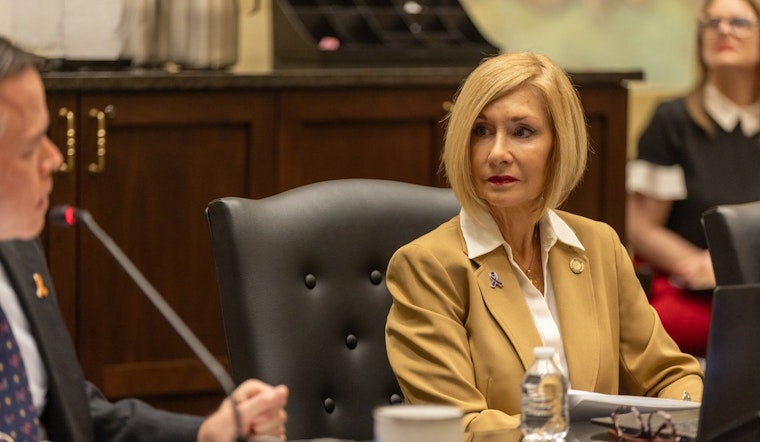
Representative Tammy West, an Oklahoma City Republican, is pushing to broaden the reach of a pioneering tax credit aimed at unpaid family caregivers. In a bid to do so, West's House Bill 4118 proposes to drop the age requirement for eligible family members from its current threshold of 62, and also include the mileage accrued from driving to medical appointments as part of qualifying expenses. As West put it in a statement, "this bill removes unnecessary barriers so more Oklahomans can access a tax credit that recognizes the real financial sacrifices caregivers make every day," as noted by the Oklahoma House of Representatives.
The Oklahoma House of Representatives announced the proposed changes which aim to reflect the true costs borne by families who take care of their loved ones without compensation. The existing tax credit is capped at $2,000 yearly for most, but jumps to $3,000 for caregivers of veterans or individuals diagnosed with dementia-related illnesses. The AARP notes, the average outlay for such caregivers runs up to about $7,200 a year.
West's proposed expansion follows the inaugural year of the Caring for Caregivers Tax Credit, which the state's legislature passed back in 2023. The tax commission reported that it saw over 100 tax returns benefit from the tax credit after its first eligible year. "By expanding this tax credit, lawmakers can offer meaningful relief for Oklahoma caregivers who spend thousands of dollars each year to care for loved ones," Sean Voskuhl, AARP Oklahoma State Director, stated, according to the Oklahoma House of Representatives.
Eligibility for the bill consideration comes at a time when people are readying for the beginning of the legislative session on February 2. The proposal seeks not just to alleviate the financial burden on caregivers, but also to ensure they can "focus on what matters most which is caring for their loved ones," as per the Oklahoma House of Representatives press release. Given that numerous Oklahomans have already begun benefiting from the established credit, it stands that this amendment could widen the net of financial support for those in the trenches of family care.




