

























































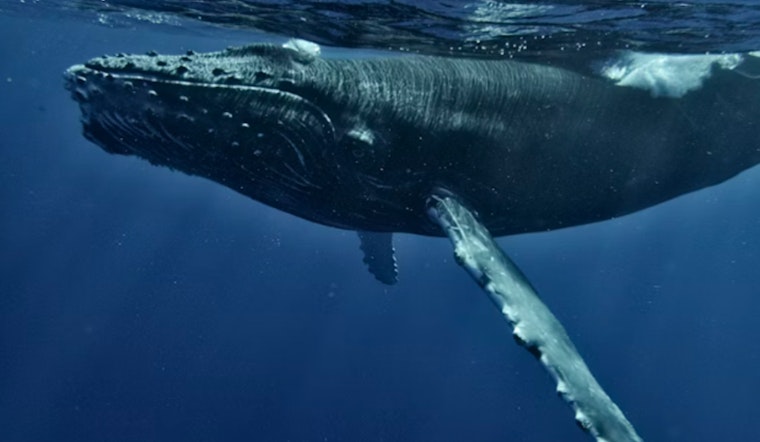
Oregon is hitting fast‑forward on its crab protections this year, pulling key “late‑season” rules up to April 1 in a bid to keep hungry humpback whales from getting tangled in commercial Dungeness gear. The earlier date brings depth and gear limits into play a full month sooner, right as whales start cruising back toward shore to feed.
State regulators frame the move as an effort to cut down on the overlap between feeding whales and vertical crab lines in the water. The shift comes on the heels of recent entanglements and a formal petition pressing the commission to tighten the rules even further.
ODFW moves 'late-season' rules forward
The Oregon Department of Fish & Wildlife is officially shifting what it calls the May 1 “late‑season” start to April 1 this year, according to KATU. The new timing shows up in recently filed administrative rule language that now defines “late season” as beginning April 1 in the state’s rulebooks.
The updated dates are spelled out in temporary filings and effective dates listed in the Oregon Administrative Rules portal, which acts as the official clearinghouse for these changes.
What's in the package
Moving the calendar up does not change what is in the toolbox, just when it kicks in. The earlier “late‑season” start still triggers a 20 percent reduction in commercial pot limits across ocean Dungeness permits, along with a ban on setting conventional crab gear seaward of 40 fathoms, or about 240 feet.
Those measures are designed to cut down the number of vertical lines in the water and tighten gear accountability in places where whales tend to congregate, according to the Oregon Department of Fish & Wildlife.
Why now: whales are arriving in April
Researchers say April is the danger zone, when humpback whales commonly move in closer to shore to feed and are most likely to bump into fishing gear. NOAA Fisheries has logged a regional uptick in confirmed West Coast whale entanglements in 2024, adding urgency to Oregon’s timing decision.
Work by Oregon State University scientists has helped map where humpback habitat overlaps with crab gear, giving managers a clearer picture of the hot spots. Local reporting notes that the Marine Fisheries Service has blamed Oregon crab gear for multiple humpback entanglements in recent years: three in 2024 and four in 2025, according to KATU.
Pressure from conservation groups and next steps
Conservation groups have been pushing for more than just an earlier start. A coalition filed a petition in December calling for steeper late‑season pot cuts, a clear path to authorize pop‑up (or “ropeless”) crab gear and faster public reporting whenever whales are found entangled, according to Oceana.
By law, the commission has 90 days to respond. The department plans to bring an assessment of the petition to commissioners in February for review, per ODFW. On the broader West Coast, several jurisdictions are already testing pop‑up gear as an alternative, and reporting has tracked those pilot programs and early authorizations, according to SeafoodSource.
Legal and regulatory context
Some of the humpback populations that feed off Oregon’s coast are federally listed, which means every confirmed entanglement carries potential implications under the Endangered Species Act. That includes the possible need for an incidental take permit, and managers say crafting a conservation plan is part of that process.
NOAA Fisheries lays out the federal framework for documenting entanglements and coordinating responses, which in turn shapes Oregon’s planning and rulemaking.
The upcoming commission review will decide whether the April 1 start and related measures stay as temporary fixes or get locked in permanently. Coastal communities and the crab fleet will be watching closely as the rulemaking unfolds and any experimental gear permits move ahead.




