

























































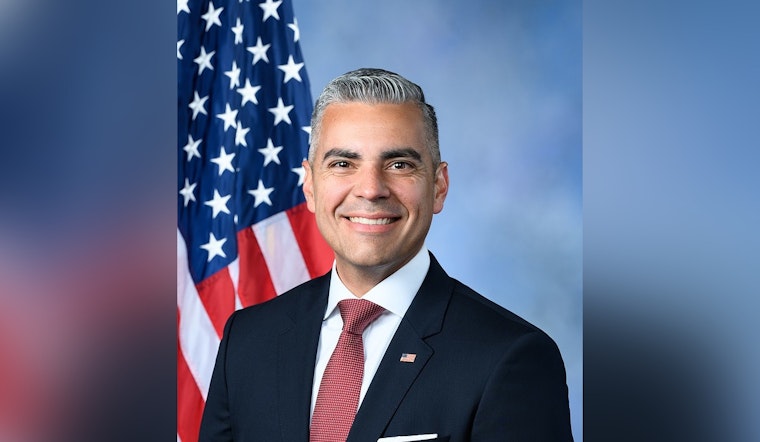
Rep. Juan Ciscomani is trying to channel fresh federal money into charter-school buildings, and Arizona’s long-running fight over public education dollars just got a new flashpoint. His Equitable Access to School Facilities Act would steer competitive grant money toward charters that need to buy, lease or renovate space, potentially changing how school districts and charter networks jockey for the same limited pot of resources. The proposal lands at a tense moment, as Arizona districts trim staff and consolidate campuses in response to steady enrollment declines, raising the stakes for local officials and families already watching every budget move.
What the bill would do
According to the bill text on Congress.gov, H.R. 7086 would amend the Elementary and Secondary Education Act and create a state-level facilities aid program. That program would award competitive grants to states in order to increase charter schools’ access to financing, public buildings and technical assistance. The text specifies that grants could be used for acquisition, leasing, renovation, revolving loan funds and other facility supports, and it caps the federal share at no more than 60 percent of project costs for the life of the grant.
Why Arizona is a test case
Arizona’s charter-school landscape is already big and still growing. Arizona's Family reports that Rep. Ciscomani cites nearly 600 charter campuses in the state, with many operating out of church basements, vacant storefronts or other improvised spaces that lack gymnasiums, libraries and science labs. The same reporting notes that the Arizona Charter Schools Association says charters now educate more than 20 percent of the state’s public-school students, a scale that supporters argue makes a dedicated facilities push not just helpful but urgent.
District leaders warn of ripple effects
Traditional districts see a different story taking shape. They warn that a new federal pipeline for charter facilities could intensify a funding squeeze that has already forced painful cuts. The Chandler Unified School District, for example, recently signed off on a staffing-reduction plan after a roughly 3 percent enrollment drop. District officials cite low birth rates and charter growth as key factors, and teachers caution that trimming media specialists and librarians might nudge even more families toward other school options. Similar worries are surfacing across several Valley districts that are juggling smaller student cohorts and tighter operating budgets.
Critics say funding could enrich operators
Critics also argue that more facility money for charters risks boosting management companies and related real-estate interests rather than direct classroom programs. “They want any additional funding to benefit student learning rather than enrich charter operators,” critics told Arizona's Family, pointing to situations where affiliated organizations control the buildings that charter schools occupy.
What comes next
H.R. 7086 was introduced on Jan. 15 and sent to the House Education and the Workforce Committee, where it is scheduled for a hearing next Wednesday, according to Congress.gov. If the bill moves forward, states would be able to compete for grants under the new program. In the meantime, education officials, unions and charter advocates alike say they plan to press lawmakers for clear accountability rules before any federal facilities dollars start flowing into school buildings.





