

























































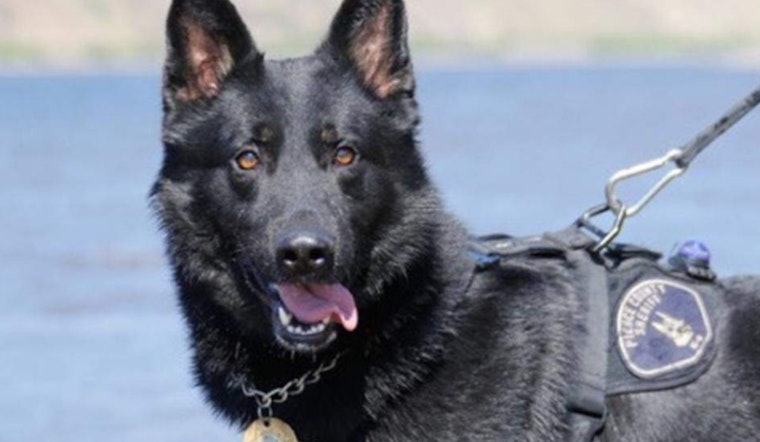
After years of appeals, legal brinksmanship and a looming jury trial, a federal lawsuit accusing a Pierce County deputy and his K‑9 of mauling a woman during a 2019 domestic‑call response has quietly come to an end. Plaintiff Jenni Ellis said K‑9 Zepp clamped onto and held her left arm, leaving lasting injuries, and her suit survived multiple attempts by the county to knock it out of court. The dismissal closes a case that repeatedly raised hard questions about when police dogs can be used in arrests and how long an officer can let a bite continue.
Case ends with dismissal and payment
According to The News Tribune, the parties filed a dismissal earlier this month, and Pierce County agreed to pay Ellis $100,000 as part of the deal. Court records show the case wrapped up without ever reaching a jury. County officials described the money as part of a negotiated resolution, and Deputy Levi Redding did not admit fault as a condition of the settlement. County prosecuting attorney’s office spokesperson Adam Faber confirmed the settlement amount to reporters.
Appellate ruling narrowed issues
In March 2025 a Ninth Circuit panel ruled that Deputy Redding was not entitled to qualified immunity for allowing the bite to continue and said a jury could find the force excessive. The court’s memorandum estimated the dog’s bite lasted roughly 25–41 seconds. The panel also reversed the district court on some state negligence claims, which reshaped and narrowed the issues both sides were still fighting over. Those rulings are detailed on Justia.
District court kept the case alive
Before the appeal, U.S. District Judge Benjamin Settle repeatedly rejected Pierce County’s efforts to shut the case down. He denied multiple summary‑judgment motions and said a jury, not a judge, should sort out key factual disputes about how the dog was deployed and what the officers intended. His orders pointed to testimony and scene details that made it improper to decide the case on written filings alone, keeping the matter on track for a full trial. The Seattle Times reported on Settle’s rulings and the evidence at issue.
Legal takeaway
The Ninth Circuit opinion underscored that common police "bite‑and‑hold" training can cross the line into excessive force if an officer keeps a trained dog biting after a person is no longer able to comply. Washington law offers officers some immunity when K‑9s are used in good faith, but courts, including the Ninth Circuit here, have said intentional or excessive deployments can still trigger federal civil‑rights liability. That appellate opinion, and its discussion of state law, set the boundaries of potential liability in the case, as reflected in the memorandum available on Justia.
Why it ended now
With the appeal resolved and the uncertainty of a jury trial still hanging over both sides, the parties ultimately opted for a negotiated ending instead of rolling the dice in court. The News Tribune reported that the county characterized the $100,000 payment as a resolution of the litigation and again emphasized that Redding did not admit fault. The dismissal brings to a close years of legal fallout from the 2019 incident.
Ellis has said the dog attack left lasting damage to her left arm and required hospital treatment. The Ninth Circuit opinion notes she was taken to the hospital after the encounter. Disputes about whether officers gave effective warnings, whether Ellis posed any threat and how long the dog actually bit her became the core evidence driving multiple court rulings. For more background on how the case reached trial posture, see a breakdown of the road to trial.
The federal case appears closed for now. We will keep an eye on court records for any new filings and report if anything changes.





