

























































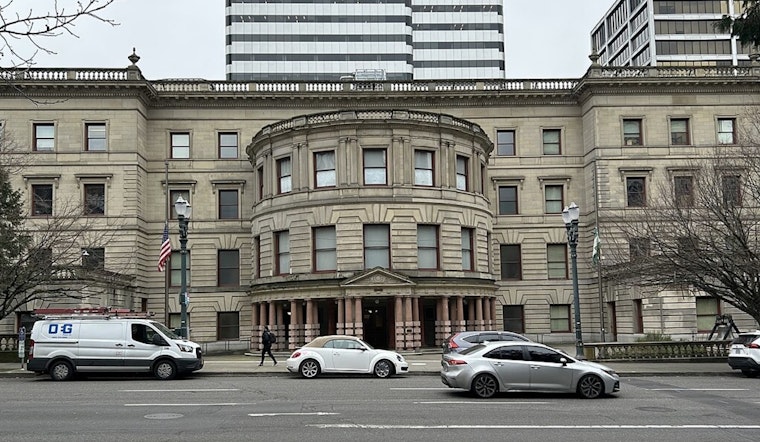
Portland is doubling down on its commitment to immigrant rights with the ongoing rollout of the Protect Portland Initiative, recently outlined in a progress report. The city is on track with its plans to adhere to the Sanctuary City Ordinance, aiming to shield its residents from what it sees as unconstitutional federal immigration enforcement tactics.
In an effort to better inform and involve city employees in this initiative, a multi-departmental team has been set up, as reported by the City of Portland's official website. The team comprises representatives from the City Attorney's Office, Bureau of Human Resources, and several other city bureaus, all working in coordination to ensure the ordinance's successful implementation.
A key position is in the process of being filled—the search for an Immigrant Affairs Lead is aimed to conclude by January 2026. This individual will play a pivotal role in maintaining the momentum of the Protect Portland Initiative. Support networks within the city structure are also being strengthened through the appointment of liaisons tasked with fostering communication and executing bureau-level strategies.
While facing initial setbacks with Freedom of Information Act (FOIA) requests, Portland's City Attorney's Office hasn't given up. According to their latest progress report, the first batch of federal information requests was denied. The team is now reworking its approach to overcome the barriers that led to these denials. Portland citizens can expect a new push for transparency in the federal activities within their city.
Training programs for city employees are in the pipeline, with a launch targeting early Spring 2026. These sessions aim to educate workers on the nuances of the Sanctuary City Ordinance, Oregon's Sanctuary Promise Law, and how to properly respond to immigration enforcement within city-operated workplaces.
Further bolstering the city's dedication to immigrant support, a novel Immigration Leave Policy was introduced late last year, providing city employees with up to 40 hours of paid leave for immigration-related reasons, impacting both themselves and their families.





.jpg)