

























































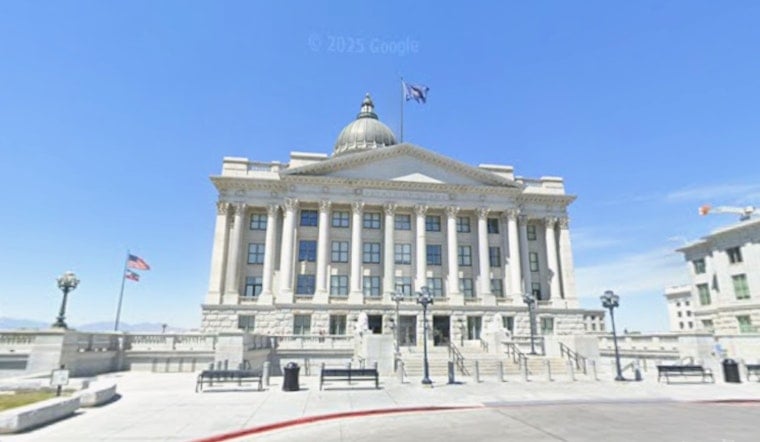
A Sandy in-home care manager is facing felony charges in Salt Lake County, accused of padding Medicaid bills while closing on a house and driving off in two new vehicles. Prosecutors say hundreds of allegedly bogus claims tied to senior clients triggered a state audit and an Office of Inspector General probe, with the case now in 3rd District Court.
Charging documents identify the defendant as 27-year-old Caleb David Richardson of Herriman, who operated Grandkids LLC before rebranding the company as Helperly. According to prosecutors, state auditors flagged roughly 880 suspect claims and pegged the loss at $253,962, while investigators say Richardson admitted overbilling about $350,000 to keep payroll afloat. Court filings allege he told caregivers to sit in their cars after visits so the company could bill the full approved time, and that he used some of the Medicaid money on two vehicles and a home while putting about $750,000 into a company app and paying his wife, Emily, about $120,000 a year. These details are laid out in charging documents, according to KSL.
Charges and penalties
Richardson is charged with three counts of violating the Utah False Claims Act, each filed as a second-degree felony in 3rd District Court. Under Utah law, criminal punishment for false Medicaid claims depends on the total value of the benefits obtained, and convictions can bring felony penalties along with restitution to repay the state. The Utah False Claims Act spells out how criminal and civil penalties are calculated and how investigations unfold, including tools like civil investigative demands and audits, as detailed by Justia.
State oversight and investigation
In Utah, Medicaid fraud cases typically run through the Attorney General’s Medicaid Fraud and Patient Abuse Division, which works with state auditors and the Office of Inspector General. That team opens cases on tips, scrutinizes provider billing, and, when warranted,d files criminal charges or civil claims to claw back misspent Medicaid funds. The Attorney General’s office has brought similar cases against health care providers in recent years and consistently emphasizes two priorities: safeguarding vulnerable patients and protecting taxpayer money, according to the Office of the Utah Attorney General.
What happens next
The charges are allegations, and Richardson is presumed innocent unless and until he is proven guilty in court. The case will move forward in the 3rd District Court, where prosecutors could seek both criminal penalties and restitution if they secure convictions. Upcoming hearing dates and legal filings will chart what happens next as the case works its way through the system.





