

























































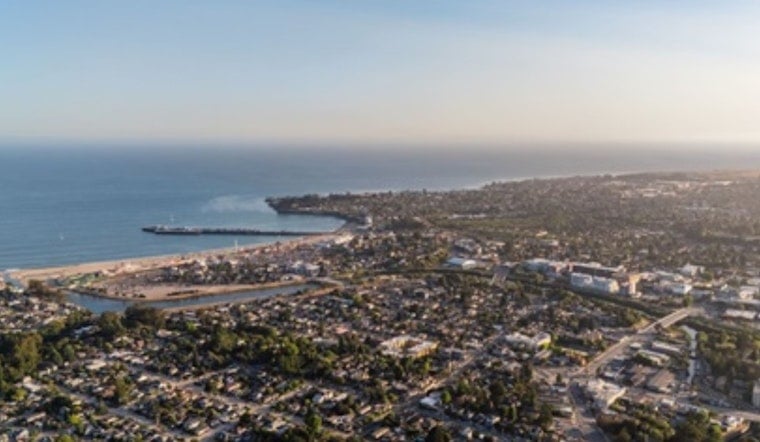
The Santa Cruz Wharf is limping back into shape after losing a big chunk of its southern end to pounding surf in December 2024. Crews are finishing interim repairs and clearing underwater hazards, and most businesses along the wooden landmark are already back open for foot traffic. Managers are now focused on restoring safe access to the far end of the wharf, with city officials saying final stabilization work should wrap in the coming weeks if the weather cooperates.
An engineering review that included ocean sonar found no structural damage beyond the section that broke away, and contractors say the heavy equipment that went over the side, including a crane and a skid steer, has been located and is being monitored while removal plans move ahead, according to CBS News. Those scans gave engineers enough confidence to reopen most of the wharf to the public while crews focus on capping the damaged tip. City staff keep repeating the same mantra to impatient locals and tourists alike: safety comes first, speed second.
What collapsed and who was hurt
The failure hit on Dec. 23, 2024, when heavy waves tore away roughly 150 feet of the pier’s southern end, dropping a restroom building and the now-closed Dolphin restaurant straight into the bay. Three construction workers were swept into the surf during the chaos. Two were pulled out by lifeguards and the third made it to shore on his own, and officials reported no serious injuries. The initial account and early assessment of the damage were detailed by the Los Angeles Times.
Repairs under way
In mid-November, the city kicked off what it calls the "Wharf End Interim Repair" project, aimed at squaring off and capping the broken end and rebuilding at least one of the popular sea lion viewing holes. The work is expected to run through February 2026, according to the City of Santa Cruz. The contractor is timing the noisiest and heaviest work for the quieter part of the year to reduce impacts on nesting birds and the wharf’s businesses, and officials say shops and restaurants are slated to stay open throughout construction. The city’s announcement lays out the step-by-step schedule and underscores that the end goal is full public access once the interim fix is complete.
Money, jobs and the rebuild question
The price tag is still a moving target. The California Office of Emergency Services has pledged to cover about 75% of eligible repair costs, but how quickly that money shows up depends on the usual maze of approvals and paperwork, Santa Cruz Local reported. The City Council has already signed off on designs for a partial rebuild estimated at around $1 million, while staff sort through which expenses qualify for outside funding and which do not. Business owners and workers are watching every meeting as the city tries to juggle safety, a beloved piece of waterfront history, and long-term costs.
What's still in the water
Not everything that fell is out of the bay yet. Some heavy equipment from the collapse remains underwater, but officials say it has been located, buoyed, or otherwise secured. The U.S. Coast Guard reviewed sonar scans and confirmed that the crane is resting a safe distance from the standing wharf, local TV reported. Crews have already hauled out smaller debris and plan to handle larger marine recoveries under tightly controlled conditions when tides and weather line up. Until then, officials are still warning boaters and beachgoers to steer clear of the collapsed section while the cleanup continues.
What visitors should know
For anyone planning a stroll, most of the municipal wharf reopened to the public in early January 2025 after engineers cleared immediate hazards. The far end, including the capped tip and the rebuilt viewing holes, will remain off-limits until interim repairs are complete and state reviewers approve the plans. City leaders have described the current work as a short-term fix while they debate longer-term resilience. Some officials have openly questioned whether rebuilding the end exactly as it was makes sense in an era of stronger storms and rising seas, according to the San Francisco Chronicle.





