

























































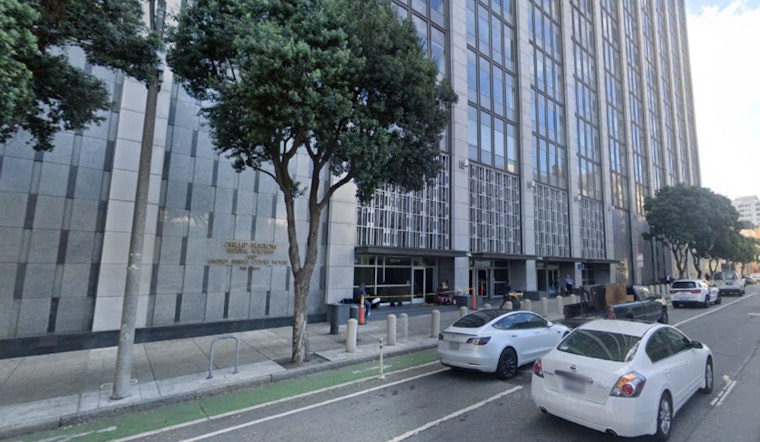
San Francisco's Drug Court, once a narrow track for low-level drug possession and theft cases, has turned into a high-stakes venue for people facing far more serious charges. The change has arrived quickly and mostly out of public view, as judges and defense lawyers steer more defendants with violent felony allegations into treatment while prosecutors argue that public safety is losing out. That tug-of-war is reshaping courtroom calendars, straining treatment resources and sharpening the question of whether addiction explains violent behavior or merely sits alongside it.
As reported by the San Francisco Chronicle, defense attorneys filed 1,909 petitions to divert clients into Drug Court in the first 10 months of 2025, and judges approved 608 of those requests. That marked a sharp rise from 516 petitions and 180 approvals in 2023. The Chronicle's review of court records found that 91% of last year's Drug Court cases used the 2018 diversion pathway and that some of those diverted were charged with attempted murder, armed robbery or assault with a deadly weapon. The same review found that terminations outpaced successes, with 134 graduations compared with 259 terminations, and that some people who were accepted spent one to four months in jail waiting for a treatment slot to open up.
District Attorney Brooke Jenkins has called the trend "an abuse of this statute," and urged tighter limits on who should be sent to treatment, according to the Chronicle. Defense lawyers counter that the 2018 changes were written specifically to let judges order treatment when substance use or a diagnosable mental disorder is a central factor in the alleged crime. Deputy Public Defender Olivia Taylor told the paper that safeguards exist to keep violent offenders from gaming the system. The San Francisco Department of Public Health, which runs many of the treatment placements, told the Chronicle that staff continue to meet their responsibilities and are monitoring capacity so participants can receive timely, appropriate services.
How State Law Widened Eligibility
The Legislature's 2018 reforms to Penal Code section 1001.36 created a new pretrial diversion path for defendants diagnosed with qualifying mental disorders, allowing judges to grant diversion even when prosecutors object, as laid out on California Legislative Information. The statute makes some crimes automatically ineligible, including murder, voluntary manslaughter, many sex offenses, DUI and crimes involving weapons of mass destruction, while leaving other violent felonies to the discretion of the court.
What Drug Court Is Supposed To Do
San Francisco's Adult Drug Court was launched in 1995 to combine intensive substance use treatment with judicial oversight and social support, according to the San Francisco Superior Court. The model relies on case management, randomized drug testing, counseling and coordinated services, and when participants complete the program their charges are often dismissed or probation is terminated. The court's public information also identifies the Community Justice Center as the program hub and lists contact information for the Drug Court team.
Capacity, Outcomes and Public Safety
The shift toward admitting people who are charged with more serious offenses has piled extra pressure onto already limited treatment slots and fueled finger-pointing among judges, prosecutors and defense attorneys over who is responsible when outcomes go sideways. The Board of Supervisors has pushed the Department of Public Health to provide clearer data on treatment bed capacity and usage, reporting that plans to expand beds have been delayed or scaled back because of staffing shortages, according to ABC7 San Francisco. The result is a bottleneck: even when a judge signs off on diversion, the availability of beds and staff can determine whether someone moves quickly into treatment or waits in custody while a placement is arranged.
Legal Implications
The 2018 statute shifts some charging and resolution power from prosecutors to judges, which means debates over eligibility and victim restitution are increasingly pushed into pretrial hearings and status conferences. Courts can require a prima facie showing that both the defendant and the charged offense are appropriate for diversion, and successful completion typically results in dismissal of the case and restricted access to the arrest record, mechanics described on California Legislative Information. In practice, that framework sets up predictable legal fights over public safety, repayment to victims and how much weight judges should give to mental health evidence when the conduct itself is violent.
Whether Drug Court continues as a broader safety valve or swings back to a tool for low-level cases will depend on how judges, the district attorney's office and health agencies handle capacity and eligibility battles in the coming months. Lawmakers and local officials are already tracking outcomes, and some are likely to demand more data and clearer rules about which violent offenses can, and should, be steered into treatment. For now, the expanded use of Drug Court has exposed the limits of solving complex public safety questions through statute alone; without enough beds and transparent outcome metrics, neither prosecutors nor defenders have the evidence they need to fully convince a skeptical public.





