

























































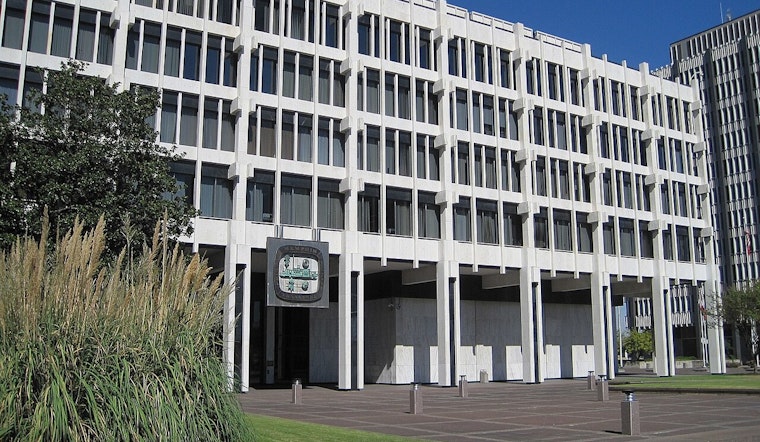
On Tuesday, the Memphis City Council voted to tighten the rules on who gets to speak at council meetings, tying public comment to ID checks and detailed sign-in cards. Anyone who wants time at the mic will now have to fill out a public-comment card with a full home address and show an official ID so staff can verify it. Once they are called to speak, they will only have to say their name out loud, not their address.
How The New Rule Works
The change is written into an executive resolution that amends Rule 28 of the council’s Rules of Procedure. It requires speakers to “completely fill out the provided comment card, including his or her full home address,” and to present a driver’s license, Tennessee-issued state ID, voter registration card, or another government document to the Sergeant at Arms for verification, as outlined by the City of Memphis. The resolution also specifies that once someone is recognized, they will not be required to state their address, since it has already been checked.
Debate On The Council Floor
Council attorney Allan Wade described the change as “an accommodation of our interests and their interests,” saying the ID requirement is meant to help “keep control” over who speaks while shielding residents who do not want their addresses broadcast in the room or online. Reactions on the council were mixed. Dr. Jeff Warren told Memphis Flyer he first worried the rule could scare people away from speaking, then later said he believed it might actually protect citizens from online “blowback.” Council member Janika White, however, cautioned that the requirement could create hurdles for people who do not have an ID. According to the Memphis Flyer, the council also adopted the resolution with same-night minutes, a procedural step that keeps the item from coming back up for another round of debate.
Enforcement And Time Limits
The resolution states that anyone who cannot produce an acceptable form of identification still has to sign in with the Sergeant at Arms, fully complete the comment card with a home address, and then state that address on the record, according to the City of Memphis document. The rules also cap remarks at two minutes, limit speakers to two agenda items per meeting, and give the council chair authority to issue warnings or block repeat violators who submit a false address.
What Happens Next
Supporters argue the rule tries to thread the needle between transparency and privacy. Critics worry the extra paperwork and ID hurdle could chill grassroots participation. Vice Chair Chase Carlisle told Memphis Flyer the council should use discretion in how it applies the rule and suggested they can undo it if public feedback shows it is turning residents away from the podium.





