

























































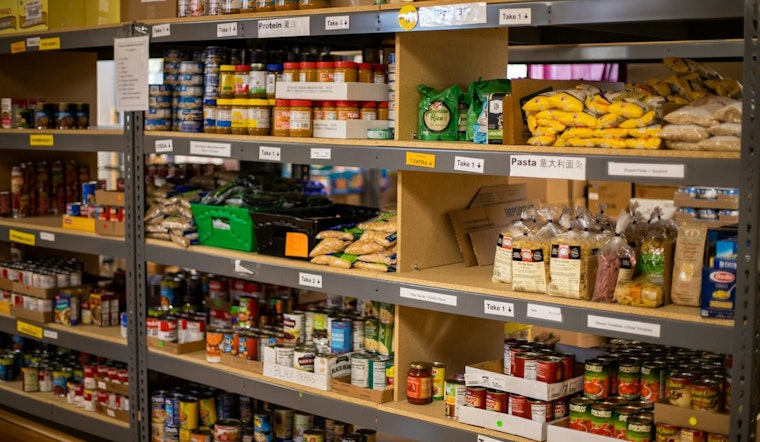
The clock is officially ticking for Chicago residents who rely on SNAP. After a court fight pushed back the rollout, Illinois is now set to start enforcing tighter federal work and reporting rules on February 1, 2026. The changes will not hit everyone, but for those affected, failing to document enough hours of work, volunteering or training could mean losing benefits. Food banks and neighborhood nonprofits say they are already bracing for impact and ramping up support so people can prove hours, enroll in programs or secure emergency groceries while the state nails down the final details.
What’s changing and who’s affected
Under the updated rules, most able-bodied adults without dependents, often called ABAWDs, ages 18 to 64 will generally have to show about 80 hours a month of paid work, volunteering or qualifying training in order to keep SNAP for more than three months, according to The Chicago Reporter. An earlier launch planned for late 2025 was delayed to February 1, 2026, after court action, which left a relatively short window for people to pull together paperwork and figure out if they qualify for any carve-outs.
Illinois Legal Aid Online breaks down which activities count toward the 80-hour mark, how to verify those hours, and how the three-month limit is tracked. Advocates stress that exemptions exist, but the responsibility to prove them usually falls on the person receiving benefits.
How many Illinoisans could be affected
Advocates warn that the fallout could be massive. Local reporting estimates that up to 360,000 Illinois residents could lose SNAP under the new rules, and roughly two million people in the state receive benefits in an average month, according to City Bureau. In Chicago, where food insecurity already outpaces the national average, even a small percentage of people losing assistance could strain the safety net.
Food banks say they are preparing for more crowded pantries and longer lines at meal sites if people get cut off. That prospect has pushed community groups to step up outreach, train volunteers and coordinate with agencies before the February deadline arrives.
Where to find food and volunteer opportunities
Anyone who needs help right now can use the Greater Chicago Food Depository’s online Find Food map to search for pantries, meal programs, and mobile distributions across Cook County. The food bank also lists ways to volunteer, including sorting and packing food or helping at distribution sites.
The Chicago Reporter highlights a FoodFinder map that lets users plug in a ZIP code, such as 60647, to see nearby resources. For anyone who prefers talking to a human, dialing 2-1-1 connects callers with local food pantries, meal programs, and other social services.
How to protect your benefits
State officials are urging SNAP recipients to double-check that their address, phone number, and email are current, and to respond quickly to any mail, texts, or calls about their case. The Illinois ABE screener can help people figure out whether the new ABAWD rules apply to them and whether they qualify for an exemption, according to the state’s We Got You Illinois portal.
Illinois Legal Aid Online advises keeping any documents that prove hours worked or participated in qualifying activities. That can include pay stubs, letters from employers or volunteer coordinators, or confirmations from training programs. IDHS provides instructions on how to report those hours and submit proof, and people with case-specific questions can call IDHS at 1-800-843-6154.
Legal and eligibility questions
Some parts of the broader federal SNAP changes are still tied up in court, including new eligibility rules for certain noncitizens. Illinois is not putting those noncitizen changes into effect for now while legal challenges play out, according to state updates summarized by Chicago Public Schools. Attorneys general in several states have filed lawsuits over pieces of the federal package, and IDHS has said it will post more guidance as judges rule and federal agencies clarify next steps.
For noncitizens who are nervous about how the rules might affect them, advocates recommend talking to IDHS or a trusted benefits navigator rather than guessing or dropping benefits without advice.
Short-term help and how to pitch in
Local nonprofits are already recruiting extra volunteers and planning additional food distributions in anticipation of a surge in need. The Greater Chicago Food Depository continues to list opportunities across the city and provides a pantry locator for people who are not sure where to start.
Residents who want to help can sign up for warehouse shifts to sort or pack food, organize a neighborhood food drive, or donate money so community pantries can stock up ahead of possible cuts. People who need food or guidance on navigating SNAP can contact food bank hotlines to schedule assistance, or call 2-1-1 to get connected to nearby resources.





