

























































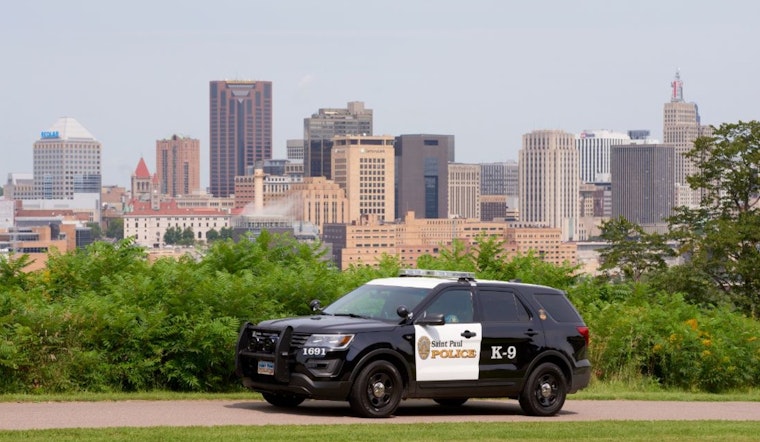
St. Paul police are putting the mystery cars on the sidelines. The department announced Friday that, for now, routine traffic stops across the city will be handled only by clearly marked squad cars. The move comes as a surge in federal immigration enforcement in the Twin Cities has residents on edge about unmarked vehicles, and city officials say the shift is meant to cut down on confusion and keep both drivers and officers safer during stops.
According to the TwinCities Pioneer Press, the department said on social media that routine traffic contacts will be carried out only in vehicles that clearly show SPPD insignia. That includes the familiar black and white cruisers and marked traffic squads. The post also urged residents to report any suspicious, dangerous, or unlawful activity right away, and to call 911 if they are unsure about what they are seeing.
Federal agents have been fanning out across Minneapolis-Saint Paul as part of what media outlets have dubbed "Operation Metro Surge." Reporting has documented the use of unmarked vehicles and plainclothes officers during immigration enforcement actions, a combination that has fueled anxiety and confusion on local streets. The heightened federal activity, along with several high-profile incidents tied to it, has triggered protests and legal challenges from city and state officials. The New York Times has detailed the resulting lawsuits and the broader political fallout.
Why St. Paul Is Changing How It Pulls People Over
St. Paul’s traffic patrol policy already leans heavily toward visible, above-board enforcement, and the department has framed Friday’s directive as in line with that philosophy rather than a radical departure. The city’s online policy manual states that officers should favor conspicuous patrols in marked vehicles and avoid off-street observation except in unusual situations, a guideline that helps explain the current emphasis on clearly identified cars. For more on that framework, see the SPPD policy manual.
By sticking with marked cars and uniformed officers, SPPD is trying to lower the odds that residents will mistake local police for federal agents in unmarked vehicles. Clear identification on both vehicles and officers is meant to reduce the risk of misidentification at the curb, especially in a climate where many people are already nervous about who is pulling them over.
What Drivers Should Watch For
For drivers in St. Paul, the temporary rules are pretty straightforward. If a marked SPPD car pulls you over, it should feature a visible SPPD badge on the passenger door, department lettering on the exterior, and a lightbar on top. Those are the visual cues the department says people should expect during routine traffic stops.
Anyone who feels uneasy about a stop is urged not to argue on the roadside. Instead, drivers are encouraged to call 911, give the location, license plate number, and any other identifying details, and let dispatchers sort out who is who. As the TwinCities Pioneer Press reported, the department is stressing that residents should report suspicious or dangerous encounters immediately.
Legal And Political Fallout
City and state leaders have answered the federal surge with lawsuits and a series of public demands for tighter rules on how Department of Homeland Security agencies operate in public spaces. They argue that some tactics have chilled everyday community life, from people gathering in parks to residents seeking services. Courts have issued, and in some instances temporarily stayed, injunctions that limit certain crowd control and detention practices, and the legal fight is very much ongoing as local officials keep pushing for more oversight. The New York Times has covered those filings and the political backlash surrounding Operation Metro Surge.
SPPD says it will keep an eye on federal activity and adjust its patrol guidance as needed. The department has reiterated that anyone who feels threatened during a stop should call 911 and provide as much detail as possible, rather than trying to resolve the situation alone. Residents who want to dig deeper into how traffic enforcement works in the city, or who need non emergency contact information, can find those resources on the Saint Paul Police Department webpages.




