

























































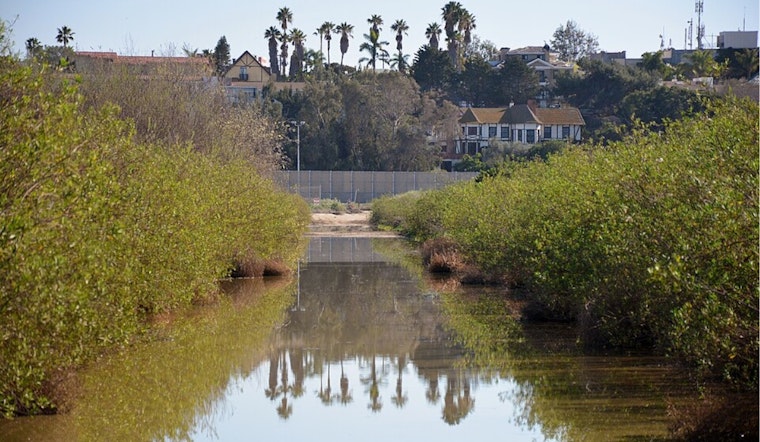
A high-tech federal experiment to strip bacteria and stench from the filthy Tijuana River fizzled out in spectacular fashion after an October storm tore through the setup, scattering trailers, clogging machinery and igniting a bitter dispute over how much diesel spilled into the already troubled waterway. The short-term test relied on nanobubble ozone to knock down bacteria and odors during limited treatment windows, and operators insist it delivered big reductions on the days it ran. The chaotic ending, though, has locals arguing over whether mobile gadgets can ever stand in for the big binational infrastructure fixes the river desperately needs.
What the pilot tested
The U.S. International Boundary and Water Commission ran a roughly 60-day demonstration in late 2025 to try out Nano Bubble Ozone Technology, or NBOT, in river flows just downstream of the international border, according to a public update from the EPA. The mobile units inject ozone-filled microbubbles into the water column, an oxidation approach that breaks down contaminants and leaves behind oxygen rather than long-lasting chemical residues. Federal officials pitched the trial as a temporary evaluation while more permanent construction and upgrades proceed under recent cross-border agreements.
Short-term wins, big limits
Sampling done during treatment runs showed eye-popping drops in bacterial indicators. Near-field tests recorded reductions of more than 90 percent in total coliforms and more than 80 percent in E. coli on days when the units were operating, according to a pilot summary reviewed by Western Water. Even so, the same data showed that bacteria levels after treatment were still far above public-contact standards, and engineers stressed that the improvements were limited to narrow periods when the equipment could safely run. Pilot documents also reported that no environmental or public health problems were observed during the trial period.
Storm damage, disputed spill and company claims
Crews were already wrestling with trash and clogging, limiting operations to daytime and hauling debris out daily, when an October surge ripped through the area and wrecked NBOT units and support trailers. Photos and local reports showed overturned generators and battered hardware. Greenwater Services’ chief executive told one outlet that, on the days it operated, the system averaged about a 93 percent reduction in bacterial levels, even as the project ended with equipment knocked offline.
How much diesel leaked afterward is still a flashpoint. A San Diego Union-Tribune story cited a five-gallon spill, while reporting and sourced photos in Voice of San Diego suggested the loss could have been dramatically larger, on the order of hundreds of gallons to roughly 1,000 gallons.
Community reaction and legal questions
The messy aftermath did not sit well with local leaders and scientists. San Diego County Supervisor Paloma Aguirre asked the IBWC to hit pause on the trial, citing worries over air quality and potential byproducts, and UC San Diego researchers warned that advanced oxidation processes can trigger unintended chemical reactions if they are not tightly controlled, as reported by Coronado News. Nonprofit groups that manage trash booms in the watershed say they repeatedly warned that the chosen site was highly vulnerable to flooding. Those practical concerns, combined with questions about transparency, have fueled demands for fuller public access to data and records while agencies sift through what the test actually proved.
This is not a substitute for big fixes
Federal briefings emphasize that these pilots are stopgap trials, not long-term solutions, while the United States and Mexico pursue major infrastructure upgrades under the July 2025 binational memoranda and related actions to add treatment capacity in the region. The EPA has highlighted accelerated work at the South Bay International Wastewater Treatment Plant and a broader package of projects intended to deliver a durable fix rather than a string of short-lived cleanups. Engineers and local officials alike say only permanent conveyance, pumping, and treatment upgrades on both sides of the border will finally remove the recurring public health threats.
The IBWC says it plans to keep vetting new technologies and to seek funding or partners for options that can prove effective at a large scale, and the agency has issued early statements that the pilot showed promising signals while full data analysis continues. For now, the experiment’s mixed legacy, steep bacterial cuts during operation paired with vulnerability to trash, flooding and hardware loss, is one more reminder of why local leaders keep pressing for lasting binational infrastructure rather than one-off technical patches.





.jpg)