

























































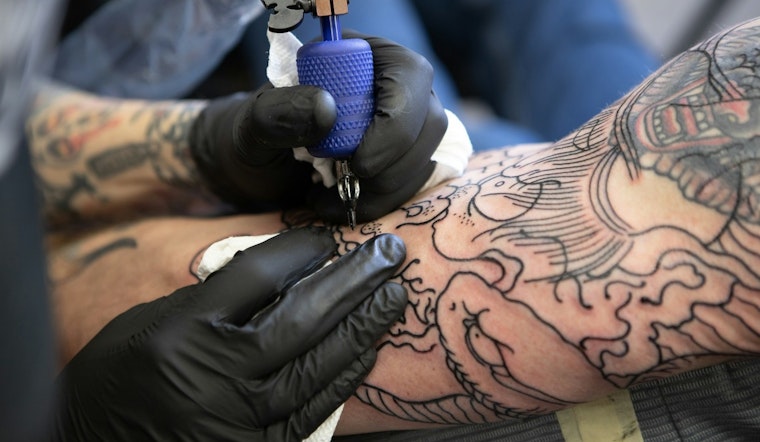
In an effort to combat human trafficking, a new mandate in Tennessee now requires tattoo artists to complete training that will aid in identifying possible victims. The "Ink of Hope Act", as reported by Local Memphis, specifies that tattoo professionals must take up to an hour of free training online or in-person to spot signs of trafficking, including injuries, branding tattoos, and coerced behavior.
Operators in the tattoo industry not only have to recognize these signs but also learn how to report them effectively to the Tennessee Human Trafficking Resource Center Hotline, since they're often at the forefront interacting with individuals who may show these marks or behaviors, Dustin Schild, owner of Studio 42 Tattoo and Piercing, told Local Memphis, explaining that traffickers sometimes utilize tattoos to mark or identify those under their control and some clients seek to cover up such tattoos his artists have encountered clients requesting cover-ups of forced tattoos, which indicates the proximity of his trade to the dark undercurrents of trafficking.
According to 3B Media News, tattoo artists newly applying for licensure must pass a revised exam that includes questions about human trafficking, while those currently licensed have until December 31, 2028, to complete the training or risk having their license invalidated until they do so. The law, which has received bipartisan support, also provides civil, criminal, and administrative immunity for professionals reporting suspicions of trafficking in good faith.
State Rep. Mary Littleton, sponsor of the law, suggests that the intimate nature of the tattooing process can enlist artists in the fight against the widespread issue, with Tennessee Bureau of Investigation statistics from 2024 showing over 1,170 reported tips related to trafficking a decrease from the 1,432 reported in 2023 but still a glaring issue, especially concerning the trafficking of minors artists and business owners across the field have shown support for this new law, viewing it as a step not just in tattooing for expression, but also in safeguarding the sanctity of choice and community care.
Support for the act extends beyond the industry to the general public, with parents particularly backing the move for additional safeguards to protect their children. One parent, Sylvester Gray Jr., expressed this sentiment in an interview with Action News 5, saying, "We have a lot of young ladies growing up--mom, sisters, aunties everybody can be trafficked, so it just feels like it need to be done." The ubiquity of human trafficking, with nearly 3,500 victims according to the National Human Trafficking Hotline, underscores the urgency for any measure that promises even a thread of hope in unraveling this scourge on humanity.




