

























































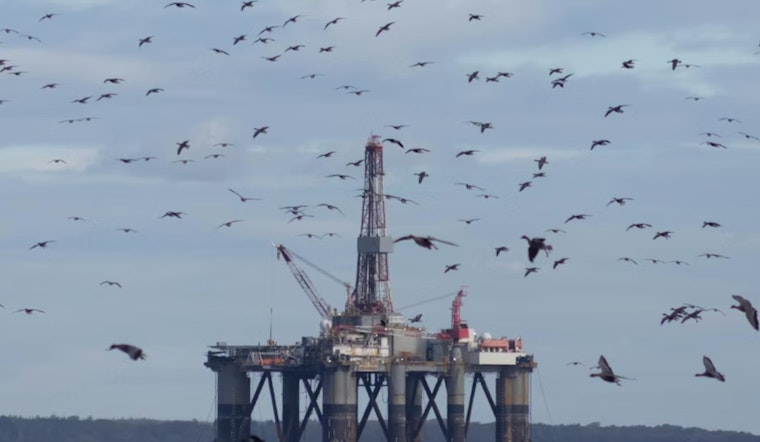
A federal blueprint to reopen large stretches of the U.S. outer continental shelf to oil and gas drilling is putting California’s coastline back in the political and economic crosshairs. The draft 11th National OCS Program lays out dozens of possible lease sales, including in Pacific waters, and has conservation groups and coastal businesses bracing for a long campaign. For whale watching outfits, charter fishing crews and beachfront hotels, the worry is immediate, they say their livelihoods depend on an ocean that stays largely free of new offshore oil infrastructure.
BOEM's Draft Proposal
The Department of the Interior’s Bureau of Ocean Energy Management has released a 1st Analysis and Proposal that identifies 34 potential lease sales across three OCS regions, and it is taking public comment through Jan. 23, according to the Bureau of Ocean Energy Management. The draft 1st Proposal outlines six Pacific area sales beginning in 2027 and includes maps and technical analyses that place dozens of offshore planning areas back under leasing consideration.
Why California Communities Are Alarmed
Conservation leaders and former officials say the proposal would touch shoreline communities that lean heavily on ocean tourism and fisheries. As the San Francisco Chronicle reports, the draft targets areas that were withdrawn from leasing in January 2025, and Visit California data show that annual visitors to the state’s 15 coastal counties spend more than $100 billion a year, supporting nearly 700,000 jobs and generating more than $8 billion in local tax revenue. For the broader statewide picture, Visit California's 2024 economic-impact report finds that travel spending totaled about $157.3 billion and supported roughly 1.2 million jobs in 2024.
Protections And Legal Limits
Existing federal marine protections already cover large portions of California’s offshore waters, and those rules complicate how and where any new leases could be developed. The Monterey Bay National Marine Sanctuary, for example, was created to protect central coast waters and explicitly bans seafloor drilling along with the exploration, development or production of oil and gas, according to NOAA’s Monterey Bay National Marine Sanctuary. Opponents argue that even if drilling occurred outside sanctuary boundaries, added tanker traffic, seismic surveys and the ongoing risk of spills would still pose serious economic and ecological threats for coastal towns.
How To Weigh In
The 60 day comment window on the 1st Analysis and Proposal closes Jan. 23, 2026, and BOEM is accepting submissions and posting all related documents on its program page and docket, according to BOEM. Local governments, business groups and conservation organizations are lining up coordinated comments, watching closely to see whether the agency scales back the areas under consideration as the review moves into its next phases.





