

























































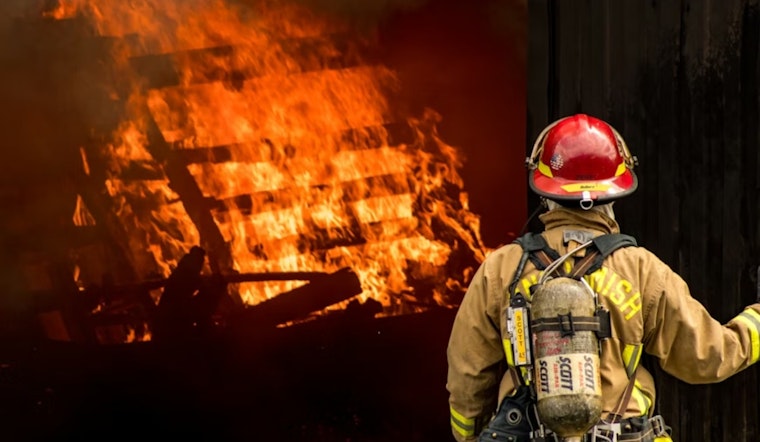
UC Davis researchers have secured state funding to dig into a deadly question: why firefighters face such unusually high rates of cancer. The multi-part effort will combine wearable exposure tracking, clinical testing and environmental sampling, lining up chemical measurements with sleep, diet and other on-the-job stressors. The aim is to turn all that lab data into straightforward steps fire departments can use to cut exposure and spot disease earlier.
One UC Davis team is led by Dr. Shehnaz Hussain, who is focused on biomarkers that could show how occupational exposures turn into cancer risk. "We are looking at biomarkers to measure and quantify what are the impacts of these different exposures on pathways that we know cause cancer," Hussain said, according to CBS News Sacramento. Her earlier work was funded by a $1.9 million California climate action grant, and UC Davis Health reports that the projects include blood tests, body-composition analysis and continuous monitoring of activity and sleep.
The University of California awarded nearly $6 million across eight research teams through the California Firefighter Cancer Prevention and Research Program, according to UC Newsroom. One UC Davis-led subproject will track roughly 647 firefighters for a year, collecting diet surveys, clinical tests and continuous wearable data to search for cancer-related biomarkers.
Separately, a Cal Fire backed initiative announced by Gov. Gavin Newsom will underwrite a larger effort expected to enroll about 3,500 firefighters over two years. That study, co-led by UCLA and UC Davis, will look at exposures tied to major incidents. The governor's office says the project will compare crews who responded to specific large fires with those who did not in order to better understand event-driven exposures and biological changes, according to the Governor's Office.
The push for more data comes against grim occupational numbers. The International Association of Fire Fighters reports that nearly 80% of IAFF member line-of-duty deaths in 2025 were cancer-related. Global research backs up the concern: the IARC has classified occupational exposure as a firefighter as carcinogenic to humans (Group 1), underscoring the need for better exposure and biomarker data.
How The Research Will Be Done
Across the funded projects, teams will combine on-scene air sampling and wearable air monitors with biological testing that includes exhaled breath, urine, blood and DNA-methylation analyses to link exposures to early disease signals, as outlined by UC Newsroom. Other projects will test turnout gear and station surfaces for chemical residues and use lab assays to see which compounds are most mutagenic. Researchers are also deploying Fitbits, blood tests and routine health screenings to map sleep and activity patterns in the field, reporting methods described by CBS News Sacramento.
Policy And Benefits
The science is landing as policy starts to catch up. The IAFF has pushed for federal recognition of occupational cancer and backed the Honoring Our Fallen Heroes Act to expand Public Safety Officers' Benefits for families of firefighters who die from job-related cancers, the union notes. Investigators say the goal is highly practical: pinpoint which exposures most strongly drive risk so departments and unions can strengthen decontamination routines, screening programs and equipment practices, a priority emphasized by UC Davis researchers and administrators.
The projects began rolling out in late 2024 and will run from one to three years, with interim results expected as data are analyzed, according to the UC Office of the President. Local departments and firefighters looking for more information can contact the UC Davis Comprehensive Cancer Center or follow updates from the UC system and CAL FIRE as analyses and recommendations are released.





