

























































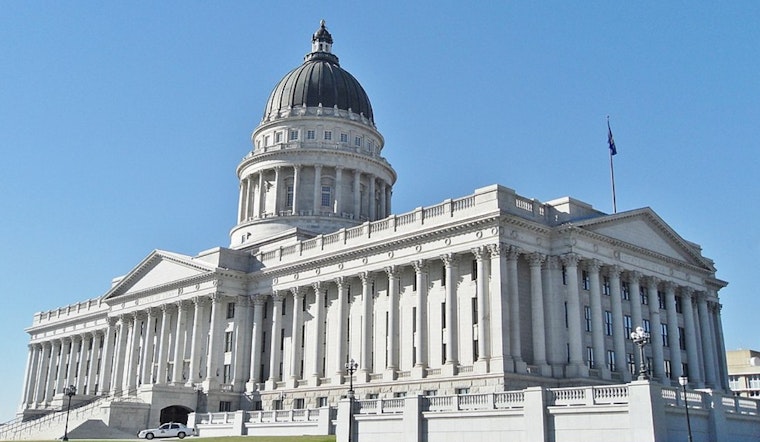
A routine committee stop at the Utah Capitol on Friday turned into the latest round of the state’s long-running fight over who controls the water tap. A Utah House panel advanced House Bill 60, a proposal that would narrow the state engineer’s discretion over water-right applications. Supporters pitched it as a way to move paperwork faster. Opponents warned it could make it tougher to safeguard stream flows, recreation, and habitat.
Committee action and who sponsored it
Rep. David Shallenberger is carrying HB60, which cleared the House Natural Resources, Agriculture and Environment Committee on a 7-2 vote after hours of testimony and back-and-forth debate, according to ABC4. Lawmakers and state water officials described the bill as a cleanup of dense, dated language in Utah’s water code and a way to strip out what they see as unnecessary hurdles to routine changes. Critics countered that the rewrite would shrink the kinds of harms the state can even consider when it reviews contested applications.
What HB60 would change
HB60 revises several sections of the water-rights code to limit what the state engineer can look at when weighing applications and protests. The measure directs the engineer to focus only on issues tied directly to beneficial use or to the quantity, quality, or availability of water when deciding whether a proposal "would prove detrimental to the public welfare." It also narrows the circumstances where public welfare concerns can justify rejecting an application, with a narrow exception for questions about water volume or flow on sovereign land.
The bill further clarifies who counts as an aggrieved party with the right to seek judicial review, language spelled out in the bill text posted by the Utah Legislature. As described there, the changes reset both the legal standards for review and who has standing to challenge many water decisions.
Supporters and critics at the hearing
State Engineer Teresa Wilhelmsen told lawmakers her office processes about 16,000 water applications a year and argued HB60 would help staff streamline those applications and stay within their proper lane of authority. Backers at the hearing said the bill scrubs archaic language and helps get water to where it is actually needed without bogging users down in vague public welfare claims.
Conservation groups and river advocates saw something very different. They warned the changes could be a "Pandora's box" that strips away chances to factor in public welfare, outdoor recreation, and river health, and that it could weaken scrutiny of upstream diversions. Several commenters also tied their concerns directly to the struggling Great Salt Lake, urging lawmakers not to cut back on tools that might keep more water flowing to the lake. Those exchanges and the fuller range of testimony are detailed in reporting from ABC4.
Legal implications
One of the clearest legal shifts in HB60 is a tighter rule on standing. Challenges to water-right decisions would be limited to people who have "suffered or will suffer a particularized injury," a change that could reduce the number of public objections that trigger deeper review. The bill also tweaks how temporary change applications are processed and outlines when the state engineer must investigate alleged harms and when another agency is a more appropriate venue to address them.
Those legal details are spelled out in the statutory text and cross-references available from the Utah Legislature.
What happens next
With a favorable recommendation from the committee, HB60 now heads to the full House for debate and a vote. If it passes there, the bill will move across the rotunda to the Senate for consideration later in the session. The Legislature posts bill text and official actions, while outside tracking services compile committee votes and hearing dates for people following along in real time. For a running status and full history of HB60, see LegiScan and the Legislature's bill page.
Whatever lawmakers ultimately decide, the fight over HB60 underscores how a few lines of water-law jargon can ripple out to the Great Salt Lake, Utah’s rivers, and the communities that depend on them. Recent state and local coverage has highlighted the lake’s vulnerability to low inflows and the chain reaction that diversion decisions can have on habitat, recreation, and air quality. For context on lake levels and the risks at play, see reporting from KSL.





