

























































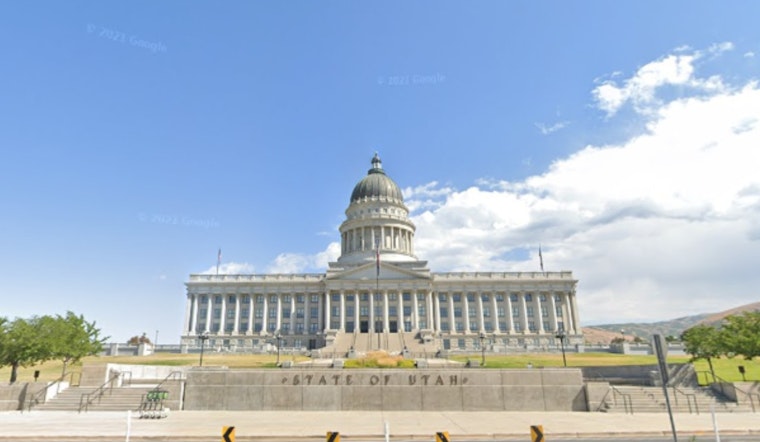
Utah Rep. Trevor Lee, a Republican from Layton, is pushing a hardline proposal that would sharply roll back access to state-funded help for undocumented residents, from food and housing assistance to vaccines. Lee says the goal is to get people to “self-deport.” Advocacy groups and Democratic lawmakers are calling the plan cruel and warning it would shift pressure onto nonprofits and already stretched public-health systems.
What HB88 Would Do
Lee’s bill, HB88, titled the Public Assistance Amendments, was filed for this legislative session and targets a broad swath of state-run programs. It would require proof of lawful presence to qualify for many forms of public support and push eligibility checks onto state agencies and local providers, according to the Utah Legislature. Under the bill’s language, officials could block or condition benefits that today do not require U.S. citizenship or permanent legal status.
Lee’s ‘Self-Deport’ Pitch
Lee has framed HB88 as part of a broader strategy to mirror measures in other Republican-led states. In a recent interview, he argued that pulling back what he calls “incentives” will encourage people without legal status to leave Utah on their own. As reported by Utah News Dispatch, Lee said, “If we do our job and we get rid of these incentives, then many will self-deport without us having to forcibly do it.”
Advocates Warn Of Health Risks And Red Tape
Food-security and health advocates say the bill would not prompt quiet exits so much as louder crises. They argue that cutting access to routine care and basic support would push people to delay treatment until problems become emergencies, which is more expensive for everyone.
Gina Cornia of Utahns Against Hunger called the concept “diabolical,” and Maurice (Moe) Hickey of Voices for Utah Children labeled HB88 “not even good policy,” warning that throttling vaccinations and treatment for communicable diseases could raise health risks for entire communities, as reported by the Salt Lake Tribune.
Other States Have Hit Legal Walls
Similar crackdowns elsewhere have already drawn judges’ scrutiny. After Idaho moved to require lawful-presence checks for several programs, including HIV treatment, the ACLU of Idaho and the National Immigration Law Center sued, and a federal judge temporarily blocked parts of that law, according to the ACLU of Idaho.
Tennessee’s recent “anti-harboring” statute is likewise in court, challenged by faith groups and immigrant-rights organizations, per the American Immigration Council. Those cases loom in the background as Utah lawmakers weigh how far to go.
What It Could Mean For Utah
Lee has also signaled he wants to do more than tighten benefit rules. He has said he plans to pursue a repeal of Utah’s driving-privilege cards, which undocumented residents can currently obtain. Legislative briefing documents show that Utah issues roughly 35,000 of those cards a year, and critics warn ending them could ripple through insurance coverage, law enforcement, and workers’ ability to get to their jobs, according to the Utah Legislature.
Public-health advocates, pointing to recent measles cases, also argue that tightening access to vaccines and communicable-disease treatment would be both risky and expensive, a concern highlighted by the Salt Lake Tribune.
HB88 is now officially filed and could land in committee hearings early in the session as the Legislature ramps up work this month. Senate President Stuart Adams has said he has not taken a position and that the Senate will “evaluate what survives the House,” according to Utah News Dispatch. Whether Lee’s push becomes law will ultimately hinge on those committee votes and any state or federal court challenges that follow.





