

























































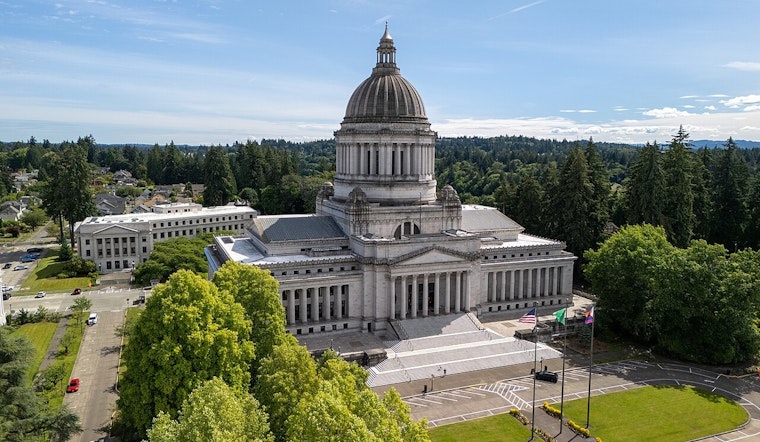
The Washington House has given neighborhood cafes and small corner stores a major boost, signing off on House Bill 1175 in a lopsided 94-2 vote that would require most cities and towns to let these small businesses operate in residential zones. The early-session approval sends the proposal to the state Senate, where committee leaders will decide whether it keeps moving this year. Supporters pitch the change as a recipe for walkable streets and local entrepreneurship, while critics worry it could bring more cars, lit signs, and late-night chatter to quiet blocks.
As reported by The Urbanist, the bill comes from Rep. Mark Klicker, a Republican from the 16th District, and sailed through the House with overwhelming support. The outlet notes that the vote signals strong early-session momentum and sends the measure across the rotunda to the Senate for its first round of committee scrutiny.
How the bill would work
HB 1175 defines both a "neighborhood café" and a "neighborhood store" as spaces of at least 500 square feet and allows them in any zone where residential uses are permitted. A café that serves alcohol would also have to serve food. Cities could limit hours of operation but would still have to allow at least 12 consecutive hours of daily business. Local governments could also set rules for parking and signage, as long as those regulations are not "infeasible," according to the bill text.
The House committee report spells out how quickly cities must fall in line. Jurisdictions that update their comprehensive plans under the Growth Management Act on a 2027 schedule have to fold the new rules into that update. Other cities and towns would have two years to comply with the changes, the report states.
Local control and concerns
City officials and their advocates have pushed back in earlier versions of the idea, warning that a state mandate could override local planning decisions and push commercial impacts onto residential streets. The Association of Washington Cities has raised alarms about parking pressure and argued that the bill's broad language opens up thorny questions about preemption and unintended side effects.
Klicker’s office has pointed to his earlier 2024 attempt, HB 2252, which passed the House but was revised in the Senate and ultimately failed to become law. That history is hanging over this year's effort as legislators again debate how far state lawmakers should go in telling cities what to allow on neighborhood corners.
Cities are already moving
Even without a statewide requirement, some cities have already started loosening rules on small neighborhood shops and cafes. In Seattle, the One Seattle Plan and related council legislation expanded where ground-floor commercial uses can operate inside Neighborhood Residential zones, a shift that has been closely followed in community briefings and updates. Elsewhere around Puget Sound, other cities have explored or adopted similar code tweaks to permit limited neighborhood retail as part of their comprehensive plan overhauls.
Supporters' pitch
Backers argue that neighborhood cafes and corner stores do more than sell coffee and snacks. They say these small spaces become informal community hubs and a foothold for local entrepreneurs. In a press release, Rep. Klicker described HB 1175 as "fundamentally about creating community and fostering small business growth," adding that such businesses can bring daily foot traffic and casual conversations that help knit neighbors together.
What happens next
For now, HB 1175 heads to the state Senate, where committee hearings will decide whether the bill survives to see a floor vote. The Urbanist notes that the late-February committee schedule will be pivotal in determining whether the measure advances this session. If it clears those hurdles and passes the full Senate, the bill would land on the governor's desk. If it stalls again, decisions about neighborhood cafes will remain in the hands of city halls rather than the state Capitol.





