

























































Washington state is gearing up for a substantial upgrade to its water systems, thanks to a hefty infusion of federal dollars championed by U.S. Senator Maria Cantwell. As reported by Cantwell’s office, the senior member of the Senate Committee on Commerce, Science, and Transportation has ushered through $22.5 million for 21 water infrastructure projects across the region, aiming to address pollution, aging systems, and the growing demands of urban and rural communities alike.
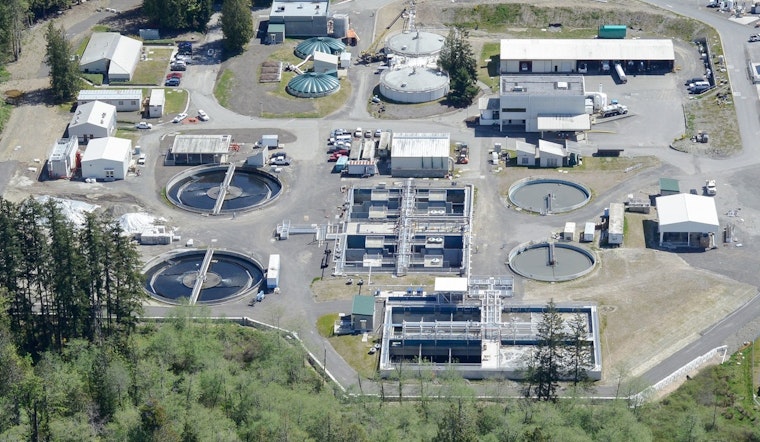
Among the notable investments, Kitsap County is set for a $1,092,000 upgrade to the Central Kitsap Treatment Plant, a project that has reached its endpoint of functionality, struggling to keep up with peak season flows. Meanwhile, in King County, numerous improvements are slotted, including Bothell’s Woodcrest Utility Replacement Project and the construction of a seismically resilient water tank by the Covington Water District, each project receiving $1,092,000. Granite Falls is receiving $990,000 to address the high failure risk of their Burn Road Lift Station, a pressing health and safety concern for its residents and the adjacent elementary school.
The federal grants arrive at an urgent time. Communities across Washington state have been clamoring for resources to tackle a broad array of water issues, from water quality to infrastructure resiliency against natural disasters – and these funds couldn't come sooner. Initiatives such as PFAS remediation in Washougal and Vancouver’s wastewater lagoon improvements signal a deeper commitment to environmental health and sustainability.
Cantwell's efforts, coupled with those from other Washington representatives like Emily Randall, Patty Murray, and Kim Schrier, underscore a collective drive to safeguard one of the state's most vital resources, its water. Not only is this a win for Washington’s ecosystem, but it’s also an economic buffer, as according to Senator Cantwell, the grand scheme is to mitigate these improvements "without driving up water utility rates."
If President Trump signs the appropriations bill as is, the Pacific Northwest can anticipate bolstered defenses against environmental hazards, and residents can take a deeper, cleaner breath about their water situation. Whether it's the essential upgrades for water treatment in Moses Lake or the strategic plan to manage Bellevue's wastewater, the future of Washington's H2O looks noticeably brighter.



