

























































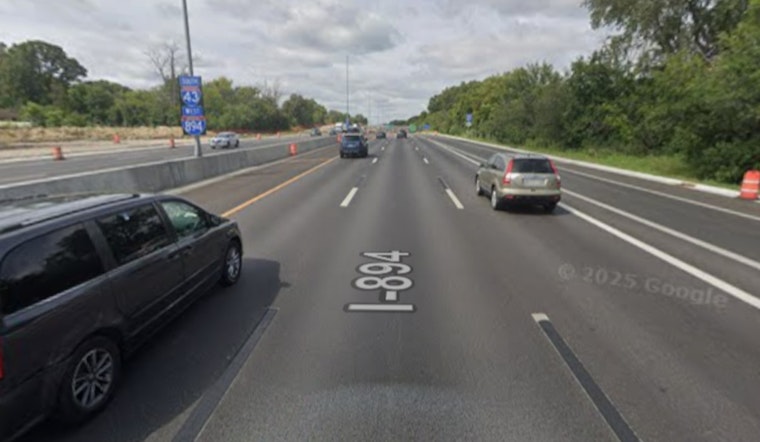
The Wisconsin Department of Transportation (WisDOT) is currently erecting new noise barriers along I-894 in Milwaukee County, aiming to reduce the auditory impact of highway traffic for nearby residents. These barriers span sections between 76th Street and 68th Street, 68th Street and 60th Street, and 51st Street and Loomis Road, specifically positioned on the south side of the interstate. Details of the project outline a significant change to the daily commute for some, with long-term closure of key ramps including the 76th Street entrance to eastbound I-894 and exits to 60th Street and Loomis Road, though not concurrently. More on these traffic impacts and the construction timeline can be seen on the Wisconsin Department of Transportation project page.
As the construction of these sound-mitigating structures is set to continue through summer 2026, local drivers should prepare for additional overnight lane and ramp shutdowns along the affected stretch of eastbound I-894. Despite the inconvenience, these alterations come as part of a wider $7 million budget allocation, earmarked specifically for combating noise pollution in residential zones abutting the busy interstate, as described in the Wisconsin Department of Transportation project documents. The noise barriers are the fruit of a meticulous process, including noise analysis, cost estimation, and community involvement where residents identified as "benefited receptors" – those expected to experience a noise reduction of at least eight decibels – had the right to vote in support of the barriers installation.
The barrier installation comes off the back of a voting process as defined by the Wisconsin Department of Transportation, where a simple majority support from the local community of benefited receptors was needed to green-light each project. "The barrier must receive a vote of support from a simple majority of all votes cast by the adjacent landowners and residents of 'benefited receptors'," is how the system was explained in the Wisconsin Department of Transportation documentation. Aside from navigating through temporary closures, locals and passersby are witnessing the tangible outcomes of their electoral input as these barriers rise against the bustling backdrop of the freeway.
For those seeking specifics about the noise barrier installation and its implications for the neighborhood acoustics, FAQs and policy overviews are available. These documents offered by the Wisconsin Department of Transportation not only outline the construction schedule and logistical details but also delve into Wisconsin Department of Transportation’s wider approach to noise mitigation efforts. With mid-July 2025 marked as the construction commencement date, there is clarity provided on the decision-making processes that lead to the erection of noise barriers, addressing common queries dotting the community conversation.





