

























































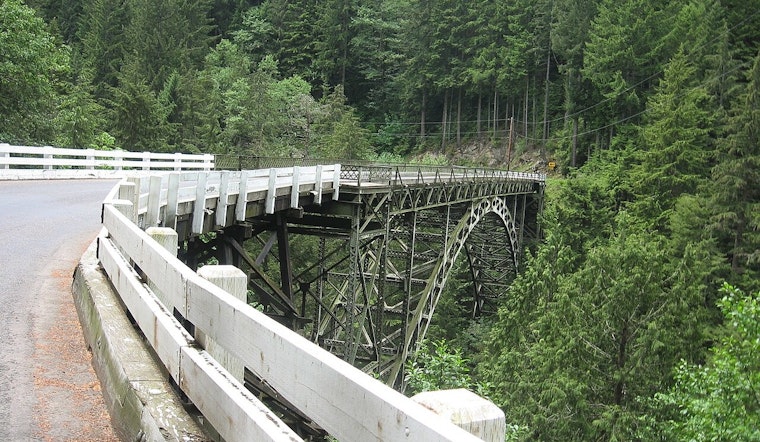
Crucial infrastructure decisions are underway for the Carbon River Canyon area as the Washington State Department of Transportation (WSDOT) advances with plans to address the closure of the SR 165 Carbon River/Fairfax Bridge. According to the WSDOT report, two alternatives are presently being weighed: replacing the bridge near the current site or removing it entirely and keeping SR 165 closed.
With $7 million earmarked from the 2025-27 Transportation Budget for preliminary design and environmental review, WSDOT is currently focused on obtaining right-of-way permits needed for surveying local soil and rock conditions, crucial steps before construction can begin. "WSDOT is actively seeking right-of-way permits," said Steve Roark, Olympic Region Administrator, "which will allow crews to drill and collect information on soil and rock conditions in the project area." The agency is in the process of gathering topographic information and hopes these efforts, combined with soil data, will highlight the most feasible location for a new traverse across the canyon.
In line with federal requirements, WSDOT is conducting an environmental review under the National Environmental Policy Act (NEPA), which involves scrutinizing the project's potential impact on numerous natural and human factors, including land, water, wildlife, and historic sites. According to the WSDOT report, this review will encompass input from various agencies, among them the Federal Highway Administration, the US Fish and Wildlife Service, and the National Marine Fisheries Service. Roark emphasizes the agency's role in the review process: "WSDOT is responsible for collecting and analyzing the project alternatives’ environmental impacts and then hands off the findings to other agencies for further review and comment." Public engagement will also be solicited during this phase, with WSDOT announcing input opportunities as information becomes available.
Once the environmental inspections are concluded, WSDOT will proceed to the logistical run-up to actual construction. According to the agency, the post-NEPA activities, like land acquisition, final designs, construction permitting, and bidding for construction, will span around 12 to 24 months, depending on the preferred alternative derived from the NEPA review. This phased approach hopes to ensure that the project addresses not only the technicalities but also the ecological and historical integrity of the Carbon River Canyon area.



