

























































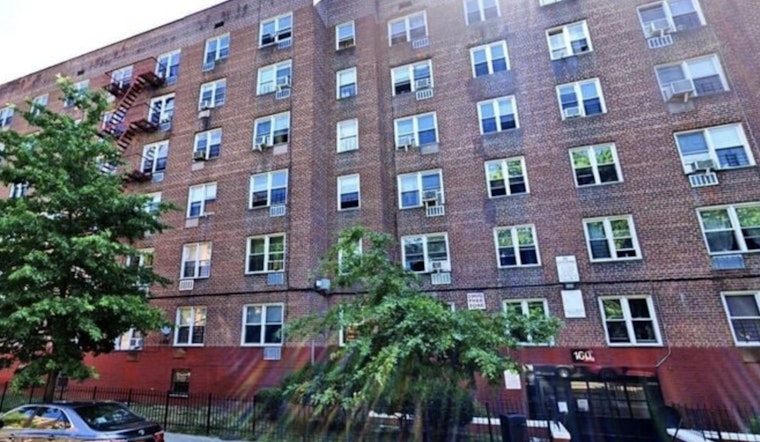
After years of tenants begging for basic heat, hot water and relief from pests, Park Hill Apartments in Clifton finally has a new owner and a very large price tag. The eight-building, HUD-subsidized complex on Staten Island changed hands late last year for roughly $364.7 million, with the buyers promising a top-to-bottom rehab funded by a mix of public and private money. For residents who have logged thousands of complaints, the real test starts now: whether this giant deal actually fixes what has been broken for years.
Sale recorded to Arker, L+M and LIHC
City property records show that a joint venture led by The Arker Companies, L+M Development Partners and LIHC Investment Group closed on Park Hill in December 2025 for $364.7 million. Those records and reporting from Crain's New York Business list the buyer entities as Park Hill Housing Development Fund Corp. and St. George Plaza Housing Development and show Michael Shah signing paperwork for seller DelShah Capital while Alexander Arker signed for the buyer.
The deal followed nearly 2,000 complaints filed with the city's Department of Housing Preservation and Development about roaches, mice and chronic heating and hot-water outages, a paper trail that turned the complex into a case study in how far things can slide before major intervention finally arrives.
How big is the complex
Park Hill consists of eight six-story buildings spanning roughly 1.1 million square feet in Clifton. DelShah's project page lists the portfolio at about 1,117 residential units across tax lots at 140–180, 185–225 and 240–280 Park Hill Avenue and notes that the property participates in HUD's project-based Section 8 program.
The combination of size and long-term subsidy means any attempt to recapitalize the property has to thread a bureaucratic needle, with federal, state and city housing agencies all involved in signing off on the financing and preservation plans.
The rehabilitation package and funding
The new owners and their government partners say the sale unlocks a full preservation plan backed by a mix of federal, state and city support layered on top of private financing. Public commitments cited by the development team total an estimated $165 million for capital work.
The scope described by the owners includes new kitchens and bathrooms, boiler replacements, elevator and lobby repairs, façade work and upgraded exterior and waste-management systems, according to a release from LIHC Investment Group. Resident engagement meetings are scheduled to begin in early 2026 so tenants can review construction timelines and the tenant-protection commitments that are supposed to keep them housed while the work gets done.
Owner history and interim financing
DelShah Capital owned Park Hill for more than two decades and in recent years leaned on sizeable refinancings and short-term loans as the buildings aged and problems mounted. Public records and reporting show a $237 million bridge loan closed in mid-2025 to help stabilize the property ahead of the sale.
Stakeholders describe the December transfer as the culmination of a multiyear effort to get Park Hill into shape for large-scale reinvestment and a new management team. Observers quoted in reporting characterized the closing as the result of years of groundwork to position the complex for recapitalization and a change in stewardship, according to Crain's New York Business and property records.
What tenants should watch for
Developers and agency partners say preserving the project-based Section 8 contracts and extending affordability are core goals, even as they plan disruptive capital work that will have to be carefully staged around people who still live there. The development team has committed to resident outreach and said the FHA-insured financing and city- and state-sourced dollars will back both immediate fixes and longer-term system upgrades, according to the LIHC announcement.
Tenant advocates and elected officials say they will be tracking more than glossy renderings. They plan to watch for concrete timelines, clear relocation or in-place construction plans and enforceable guarantees that long-promised repairs will happen and that affordability protections stay intact after the dust finally settles.


