

























































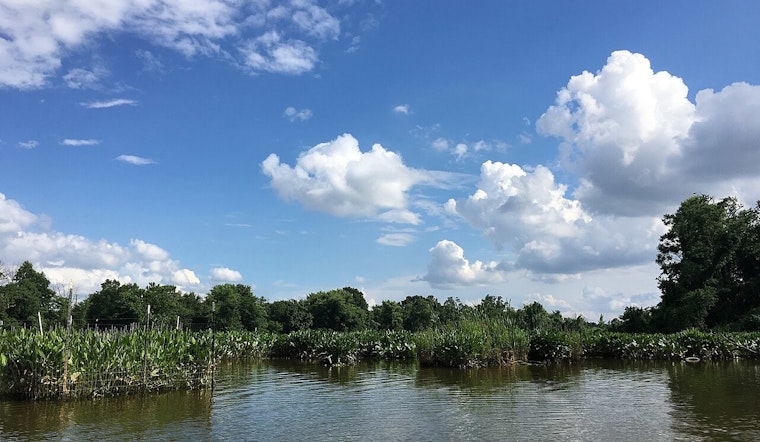
A fresh water sample from the Anacostia River this week showed elevated E. coli levels, setting off a new round of anxiety among nearby residents and a flurry of questions for city officials. People along the river are now asking whether the spike is a lingering echo of January's massive Potomac sewer collapse or just part of the Anacostia's usual post‑rain roller coaster. Either way, the test result has rekindled long‑running concerns about monitoring, transparency, and public health in the neighborhoods that hug the river.
Officials point to rain and the river’s slow flow
In a Feb. 18 update, the D.C. Department of Energy and Environment reported that samples taken by DC Water on Feb. 16 showed higher E. coli readings at every sampling point. The agency said rain and snowmelt routinely flush bacteria into urban waterways like the Anacostia and noted that the Anacostia often runs dirtier than the Potomac because it flows more slowly and dilutes pollution less. DOEE said it is collecting weekly samples as it tracks conditions along the river, according to DOEE.
How the testing works and past corrections
DC Water says it began daily E. coli testing at six locations on Jan. 29 and posts results after they are confirmed, while warning that levels in drainage channels near the Potomac sewer collapse remain elevated. The utility also quietly corrected a Feb. 6 reading after an internal review, revising an initially reported 2,420 MPN/100 mL result to 242,000 MPN/100 mL, a hundred‑fold jump that underscored how tricky rapid testing and public reporting can be, according to the Washington Examiner.
Independent tests show far higher contamination near the Potomac break
Separate sampling by University of Maryland researchers and volunteers with the Potomac Riverkeeper Network painted an even uglier picture at and downriver from the Potomac Interceptor collapse site. Those tests detected E. coli and Staphylococcus aureus, including MRSA in some samples, at levels far above recreational safety limits in early rounds of monitoring. The watchdog group says the findings bolster calls for long‑term, transparent testing and independent review of the river's health, as detailed by the Potomac Riverkeeper Network.
What the numbers mean for people
For anyone wondering when it is actually safe to get in the water, the U.S. Environmental Protection Agency's recreational guidance sets a single‑sample Statistical Threshold Value for E. coli at 410 MPN/100 mL. A single result above that mark signals elevated risk for activities like swimming and wading. Local public‑health officials are telling residents and pet owners to stay out of the river and to pause fishing plans until there are multiple, consistent readings below federal benchmarks, a cautious approach that mirrors national standards from the EPA.
Pressure for transparency and next steps
Lawmakers and advocates are pressing DC Water for clearer public briefings, a formal environmental impact assessment and a concrete remediation plan. A group led by Senator Chris Van Hollen sent a Feb. 18 letter urging the utility to commit to transparency and sustained monitoring through the spring and summer. DC Water and its federal and local partners say they will keep sampling the rivers and updating public dashboards, and a community meeting to discuss the response is expected the week of Feb. 23, according to Sen. Van Hollen’s office.
For now, officials emphasize that the city's drinking water remains safe because the drinking water system is separate from the wastewater system; DOEE's update says the District's drinking supply is unaffected. Residents are being urged to keep an eye on official dashboards and heed agency advisories as ongoing sampling determines whether the latest Anacostia spike is a short‑term blip or a warning sign of deeper water‑quality trouble.



