

























































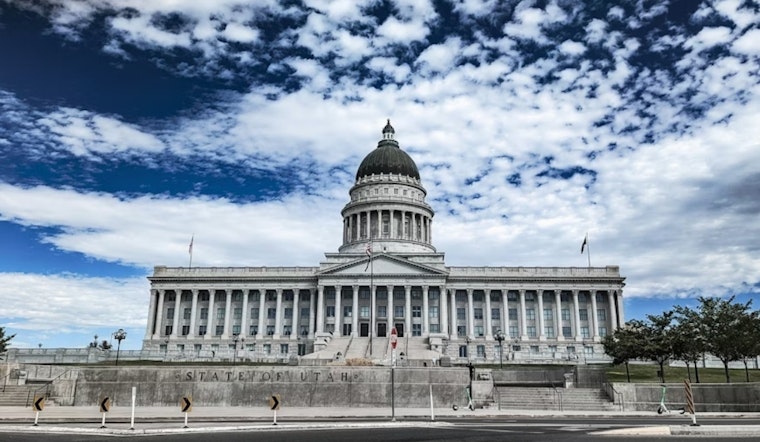
Chants of "We believe them" echoed off the marble at the Utah State Capitol on Saturday as protesters demanded justice for victims of Jeffrey Epstein. Marchers filled the steps with signs pressing state and federal officials for accountability, channeling local frustration over how national agencies have handled the latest batch of Epstein records.
According to ABC4 Utah, demonstrators rallied on the Capitol steps and urged lawmakers to push the Department of Justice for clearer answers about who appears in the files and why so many records are still blacked out. Video from ABC4 Utah showed survivors and advocates addressing the crowd beneath a sea of "We believe them" posters.
Why Protesters Say the Files Are Not Enough
The outrage in Salt Lake City is tied directly to the Justice Department's recent release of Epstein-related material, including a massive late-January tranche. The Associated Press reported that the department posted more than 3 million pages, a rollout criticized for heavy redactions and for privacy lapses that, in some instances, left victims' personal information exposed.
Victims' Lawyers Pressed for Fixes
Attorneys for survivors told federal judges they had uncovered thousands of redaction failures and asked the courts to step in quickly. In response, the department acknowledged pulling "several thousand" documents for additional review, according to Newsweek. The controversy also reached Capitol Hill this week, where Attorney General Pam Bondi fielded sharp questions from lawmakers about the releases, as reported by TIME.
Local Organizers Vow to Keep Pressure On
Organizers at the Capitol said the rally was designed to prod Utah's congressional delegation and state leaders to demand stronger protections for survivors and to push for independent oversight of the process. As ABC4 Utah noted, protesters left the steps intent on keeping the files and their handling on lawmakers' radar.
Advocates and lawmakers say the clash over the releases is likely to fuel more court filings, congressional scrutiny, and public protests as victims and officials struggle to balance transparency with privacy. Federal judges are weighing motions tied to the disclosures, and the department says it is continuing to work with victims and their attorneys to repair redactions and repost documents that have been reviewed.





