

























































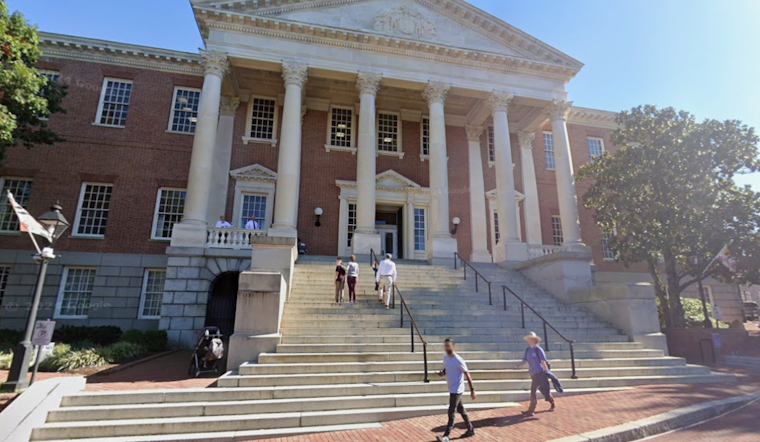
Yesterday, Maryland lawmakers in Annapolis took a high-profile step to create a state commission named for Henrietta Lacks, the Turner Station resident whose cells were taken without her knowledge and then used for decades of medical research. The proposed Henrietta Lacks Commission would promote education about her life while advising on oversight of life-sciences activity in Maryland. Supporters say the move is meant to both honor her in perpetuity and build guardrails against the kind of abuses that left her family watching from the sidelines.
What The Bill Would Do
The measure, filed as HB0166 and sponsored by Del. Ric Metzgar, would formally establish the Henrietta Lacks Commission and require it to issue annual reports on oversight of life-sciences activities and related education starting in 2027. The bill was pre-filed in October 2025 and received its first reading in January 2026, according to the Maryland General Assembly.
Committee Hearing In Annapolis
The bill was scheduled for a hearing before the House Government, Labor and Elections Committee yesterday, with family members and community advocates expected to testify in support. That hearing date appears on legislative trackers and calendars, as noted by LegiScan.
Family And Advocates Behind The Push
The rollout is being driven by family members and local organizers rather than big institutional players. David Sanders, who co-authored the proposal with Henrietta Lacks' grandson, Alfred Lacks Carter Jr., told the Dundalk Eagle that the goal is to get everyone on the same page from a morality perspective and to honor her in perpetuity. The Lacks family also runs community efforts such as the Henrietta Lacks House of Healing, founded by Lacks Carter, according to Henrietta Lacks House of Healing.
A Fraught Scientific Legacy
HeLa cells, taken from Lacks in 1951 while she was being treated at Johns Hopkins, were the first human cells to grow indefinitely in lab culture and became central to scientific breakthroughs ranging from the polio vaccine to modern gene research. The fact that those cells were collected without Lacks' consent now serves as a flashpoint in debates over patient rights and research ethics, as detailed by Johns Hopkins Medicine.
Turner Station And Local Needs
Back home in Turner Station, supporters say the commission could help draw attention and investment to a community that has carried Lacks' story for generations. Memorial signs already mark "Henrietta Lacks Place" on Main Street. Sanders told the Dundalk Eagle that there is not a federally qualified health center in the immediate vicinity and that organizers hope to involve the Maryland Office of Tourism in potential heritage- and health-focused opportunities.
How The Commission Would Operate
If enacted, HB0166 would take effect on Oct. 1, 2026, and require the commission to submit annual reports by Dec. 1 beginning in 2027 to the governor and the General Assembly, detailing its oversight and education activities. Supporters say that kind of reporting keeps the body on the radar in Annapolis and forces regular accountability, according to the bill summary on the Maryland General Assembly website.
What Comes Next
After the committee vote, the measure still has to clear the full House and then the Senate before it can reach the governor's desk, with any amendments along the way potentially reshaping its final form. The committee schedule and calendars listing the Feb. 10 hearing appear on legislative tracking sites such as TrackBill.
The push in Annapolis lands as national efforts continue to seek formal honors for Lacks. In 2025, Rep. Kweisi Mfume introduced a Congressional Gold Medal bill recognizing her contributions to science, according to Congress.gov. Family leaders and advocacy groups say the state commission is meant to match symbolic recognition with concrete steps on health equity and education, in line with the Henrietta Lacks family advocacy work highlighted by HELA100.





