

























































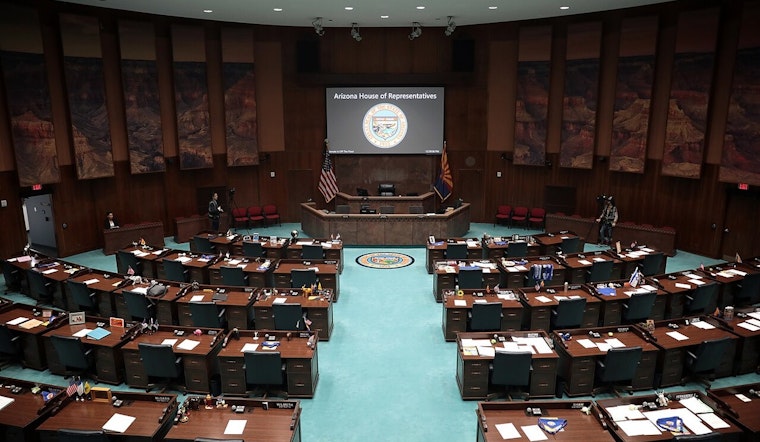
On Tuesday, Feb. 3, 2026, the Arizona House signed off on House Bill 2022, sending a major election-calendar shakeup to the state Senate. The proposal would permanently move the state’s primary election to the second-to-last Tuesday in July and tighten rules around early-ballot cure periods and party observers.
HB 2022, introduced by Rep. Alex Kolodin, amends several sections of Arizona’s election statutes to lock in the July primary date and change how ballots with signature issues are handled, according to the bill language. The Arizona Legislature hosts the full text of the measure, and FOX10 Phoenix reported that the House voted to advance the bill on Tuesday.
Section 7 of the proposal explicitly sets the 2026 primary for July 28 and includes language stating that nomination and initiative petition signatures gathered using the prior Aug. 4 date may still be submitted and counted under the new schedule. The bill’s mechanics and carve-outs are detailed in the legislation itself and summarized by LegiScan.
Supporters say the earlier date gives counties more breathing room to complete canvases and, critically, to manage recounts and federal reporting deadlines that tightened after the Electoral Count Reform Act of 2022. Critics, including some Democrats, argue that permanently shortening cure windows to calendar days could hurt voters who rely on weekend mail or have limited access to county offices, concerns outlined by the Arizona Capitol Times.
What This Would Mean for 2026
If HB 2022 becomes law, Arizona’s 2026 primary would move to July 28 instead of the Aug. 4 date currently listed on the Secretary of State’s calendar. The Arizona Secretary of State site still shows Aug. 4 for 2026, while the bill includes an express provision to shift next year’s primary and to validate petitions gathered under the old date. County election officials would have to speed up outreach, ballot production and canvass planning if the Senate moves quickly.
Next Steps And Timeline
HB 2022 now heads to the Arizona Senate, where it will be assigned to committee for hearings before any floor votes. If the Senate passes the bill and the governor signs it, and especially if lawmakers attach an emergency clause, the change could kick in for the 2026 cycle. FOX10 Phoenix noted the House’s action on Tuesday as the measure cleared its first major hurdle.





