

























































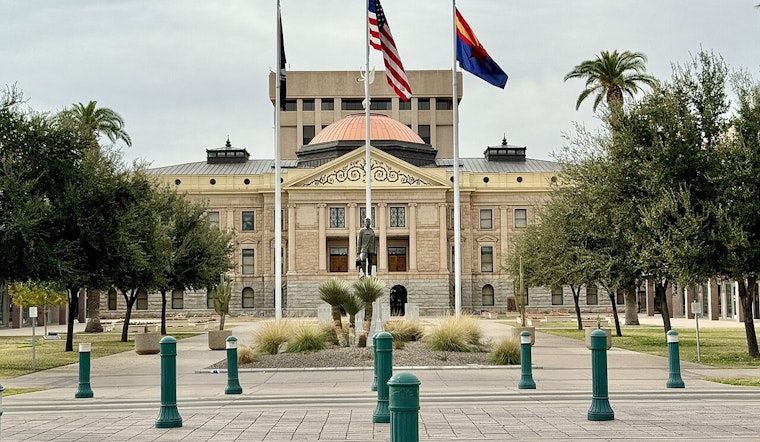
Arizona lawmakers are moving quickly on a high-profile proposal that could let voters decide whether the state can impose medical mandates, including in public schools, later this year. The measure would write a constitutional "right to refuse" medical products or treatments into state law and, if it clears the Legislature, it will land on the November general election ballot for Arizonans to approve or reject. Sponsor Rep. Nick Kupper is pitching the plan as a question of bodily autonomy, and the referral still needs more floor votes before it gets anywhere near voters.
What the resolution would change
House Concurrent Resolution 2056 would amend the Arizona Constitution to recognize a "right to refuse medical mandates" and bar government entities from compelling people "to accept, receive or administer any medical product or treatment" that involves invasion of or affixing an item to the body, according to LegiScan. The proposal includes narrow exceptions for court-ordered treatment in individual cases, people in custody and existing federal requirements. If the Legislature signs off on the referral, the Secretary of State would be instructed to place the proposed amendment on the next general election ballot.
Where it stands in the Legislature
The House Health & Human Services Committee voted 7-5 last Monday to advance an amended version of HCR 2056, according to committee records. If both chambers approve sending the constitutional amendment to voters, the referral would appear on the Nov. 3 general election ballot and would not be subject to the governor's veto, as outlined by FastDemocracy. For now, the measure still needs additional floor votes in the House and then a turn in the Senate before it can be certified for the ballot.
Supporters and opponents
Kupper framed the proposal as a basic question of personal control during committee debate, saying, "The basic principle here is that if you don't have control over your own body, what do you have control over?" Health advocates and some public health officials pushed back, warning that a broad constitutional limit on mandates could restrict schools' options to rein in outbreaks and protect medically vulnerable students. Those dueling arguments played out in committee, as reported by 12News.
What it would mean for schools and employers
Arizona law already allows parents and guardians to request medical, religious or personal-belief exemptions from school immunization rules, and state education and health websites provide the exemption forms and guidance school districts use. The resolution states that it would not change requirements under federal law, carves out exceptions for people in custody and would not directly rewrite private sector policies, according to the bill language and state guidance from the Arizona Department of Education and LegiScan. Officials note that the real-world impact would depend heavily on how courts interpret any new constitutional language if voters approve it.
What's next
Lawmakers are working against the calendar to push the referral through both chambers in time for this year's ballot. Measures that the Legislature sends to voters must be certified early enough for the Secretary of State to prepare ballots for printing. The state constitution and legislative practice require the Secretary of State to print legislatively referred amendments on the next general election ballot, according to materials from the Arizona Legislature. Political watchers are also noting a broader surge in proposed referrals jockeying for a spot before voters this November, as reported by ABC15.
Legal implications
If voters sign off on the referral, the amendment would become part of Arizona's Constitution and almost certainly trigger court challenges over its reach and how it interacts with federal law and existing state public health powers. Judges would likely be asked to sort out how broadly the new right applies in emergencies, in schools and in other regulated settings, and those rulings would determine how far the measure actually goes. The legal battle would follow the political one into the coming months as supporters and critics gear up for what could be a high-stakes showdown on the November ballot.





