

























































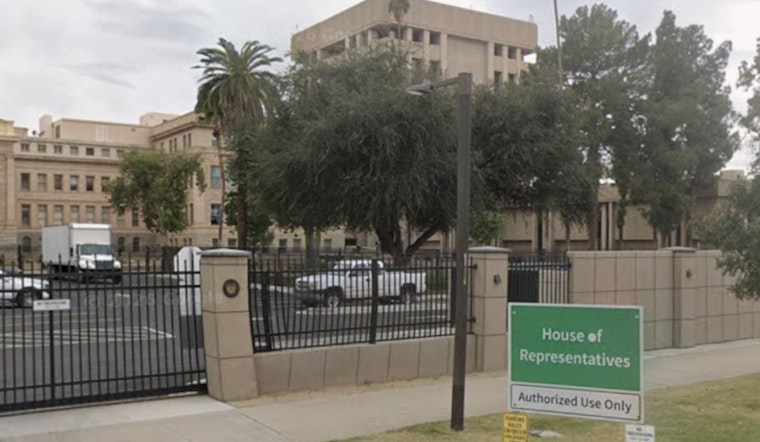
The Arizona Education Association is sounding the alarm over a House-approved ballot referral that union leaders say would dramatically curb educators' ability to organize on campus and block districts from using public resources to support union activity. The AEA argues the measure would override local contracts and could effectively shut down payroll deductions for union dues. Backers insist the proposal is about protecting classroom time, while critics say it strips power from school communities and hands it to outside interests.
What the resolution says
As reported by KJZZ, the ballot referral, filed at the Capitol as HCR2040, would prohibit school districts from using public money or resources to support the operations of a labor organization. AEA President Marisol Garcia told KJZZ the proposal "will override existing agreements and contracts between school districts and employees and ban payroll deduction for union dues," and accused out-of-state lobbyists of trying to pull corporations into school decision-making. Supporters, including the Freedom Foundation, told the House Education Committee the change is meant to keep teachers focused on students. The group's deputy director of labor relations told lawmakers the bill "stops unions from interrupting valuable classroom and planning time to recruit members and engage in political activities."
Part of a larger pattern
Advocates for public education say the referral is just one piece of a broader legislative push this session to rein in union power. Arizona Public Media reported that other Republican-backed bills would penalize teachers for organized call-outs, with potential consequences including loss of benefits or reduced district funding tied to attendance. Union leaders say those proposals look a lot like retaliation for recent national teacher actions and argue they distract from long-running pay and staffing shortages inside Arizona classrooms.
How it would reach voters
The measure has cleared the House and now heads to the Senate for committee hearings, according to KJZZ. If lawmakers ultimately approve the referral, it does not take effect on its own. Instead, the language is sent to voters, and the Secretary of State is directed to place the proposition on the next general election ballot. Records from LegiScan show that HCR-style measures are drafted specifically to trigger a public vote on proposed changes to state law.
Union response and next moves
The Arizona Education Association says it plans to roll out an advocacy campaign, explore legal options and organize members to fight the referral while urging lawmakers to focus instead on teacher pay and retention. According to The Arizona Education Association, the union has a track record of statewide mobilizations and contends that clamping down on on-campus meetings would make it harder for schools to address staffing gaps and safety concerns. Both sides are now gearing up for Senate hearings and what could turn into an intense fall campaign if the referral lands on the ballot.
In the coming days, lawmakers will decide whether the measure advances through the Senate, while education advocates prepare for what they say could be a long-running fight over who gets to control teachers' time and public resources. Expect the issue to crop up in committee rooms and on the campaign trail as the 2026 election season starts to heat up.





