

























































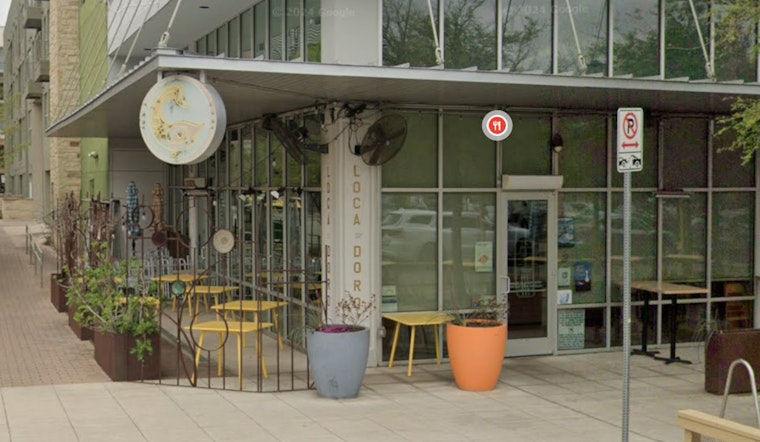
Austin restaurateur Adam Orman says federal immigration actions have torn through his restaurant family, with five employees or close relatives detained, deported, or otherwise swept up in recent Immigration and Customs Enforcement activity. One of those individuals is still in federal custody and, according to Orman, has been waiting roughly three months for a bond hearing. The fallout, he says, has left skeleton crews on some shifts, scrambled schedules, and pushed his restaurants L'Oca d'Oro and Bambino Pizza, into pricing experiments and legal outreach efforts in order to keep staff afloat.
As reported by MySA, Orman said three of those detentions occurred after April 2025. Two of the people detained have since been released and applied for work permits, while another chose deportation rather than post an approximately $15,000 bond. He told the outlet that the spouse of one released employee remains in custody and that some workers have cut back hours so they can care for children while navigating enforcement fears. The staffing turbulence, combined with higher operating costs, has helped drive recent menu price increases, Orman said.
Pay-What-You-Will Nights And Legal Toolkits
L'Oca d'Oro's website now touts "Pay What You Will Tuesdays," a weekly promotion designed to pull more diners into the dining room while effectively subsidizing staff income. According to Good Work Austin, the nonprofit Orman co-founded also offers an immigration advocacy toolkit and coordinates "know your rights" trainings geared toward hospitality workers. Orman said he has been distributing those materials and pushing for more in-depth seminars with the Texas Immigration Law Center and other advocacy groups so restaurant teams have a clearer sense of their rights if enforcement ramps up.
Why It Matters For Austin Restaurants
Advocates and business owners warn that stepped-up enforcement can quickly ripple through kitchens and dining rooms, leading to labor shortages, sudden absences, and higher prices. Reporting from KERA has noted that immigrants account for a significant share of the food-service workforce and that enforcement-related disruptions have already pushed some Texas restaurateurs to raise prices in order to stay open. That squeeze, local operators say, has in turn prompted more creative fixes and mutual aid within Austin's hospitality community.
"Vibes aren't great," Orman told MySA. "They're probably pretty similar to what the vibes are in the rest of the country, a lot of anxiety, a lot of helplessness." He said both local and national restaurant owners have reached out to bolster his advocacy through Good Work Austin and the Independent Restaurant Coalition, and that he and supporters are working to sponsor the return of one deported employee.
Resources For Workers And Owners
Good Work Austin's online resource hub lists legal hotlines, family-preparedness checklists, and sign-ups for Know Your Rights trainings that restaurants and employees can use to prepare for potential encounters with immigration authorities. The group also points to national partners such as the American Business Immigration Coalition and the National Immigration Law Center for additional guidance. Orman says sharing those links is part of an effort to make restaurants safer "sensitive locations" for workers and to give employers concrete steps they can take to protect their staff.
For now, Orman argues that a mix of flexible pricing strategies, community fundraising, and legal education is the most realistic short-term response while he presses city officials for more targeted support. He emphasizes that the crisis goes beyond staffing levels and revenue sheets, touching families and what he describes as the long-term viability of neighborhood restaurants at a time of intensified federal enforcement.





